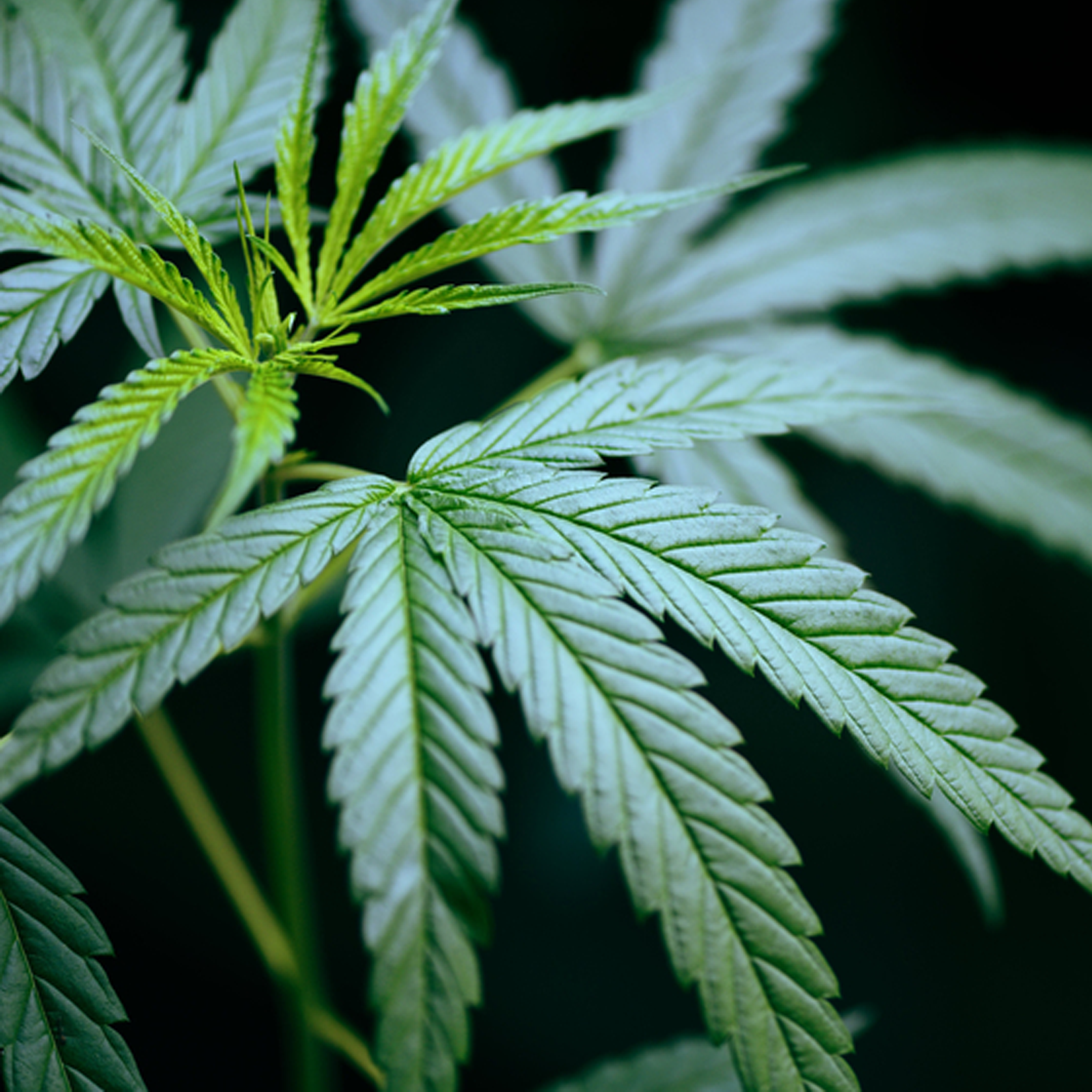


Here is something that does not get talked about enough: when marijuana is obtained from the illegal street market, you do not know what you are actually getting. That is not a scare tactic. It is a fact.
Legal, licensed dispensaries are required to test their products for contaminants, potency, and purity. The street market has no such requirements. No oversight. No accountability. No lab tests. And in today’s drug supply — where illegal manufacturers routinely cut substances with cheaper, more dangerous compounds — that gap matters enormously.
What Street Marijuana Can Be Laced With
Laced marijuana refers to cannabis that has been mixed with other substances, sometimes intentionally, sometimes not. Dealers may add other drugs to make their product feel stronger, to disguise low-quality weed, or simply to add weight and increase profits. The user rarely knows.
Substances that have been documented in street marijuana include:
- PCP (phencyclidine / “angel dust” / “wet”): One of the most commonly reported adulterants. PCP-laced marijuana is sold under street names like “fry,” “super weed,” and “dusted weed.” The combination can cause hallucinations, delusions, seizures, extreme aggression, suicidal behavior, and serious neurological damage. Even small amounts can trigger a psychotic episode.
- Methamphetamine: When meth is added to marijuana — often without the user’s knowledge — it produces a stimulant rush on top of the high. This can cause hallucinations, seizures, heart attack, and fatal overdose. Methamphetamine overdose is common, and a user with no tolerance is at severe risk.
- Heroin: Both heroin and marijuana are depressants, and combining them produces extreme drops in heart rate and breathing. Even small amounts of heroin can be fatal in someone without tolerance. Many users don’t know they’ve been exposed until they’re in a medical emergency.
- Cocaine: Cocaine is sometimes added to create a more intense and addictive experience. The cardiovascular strain of cocaine combined with marijuana’s effects on heart rate is a particularly serious concern for Black Americans who already face elevated rates of heart disease and hypertension.
- Embalming fluid / formaldehyde: This is not a myth. Cases have been documented since the 1970s. Smoking weed laced with actual embalming fluid — a chemical preservative made of formaldehyde and methanol — can cause severe lung damage, brain damage, and long-term neurological harm.
What About Fentanyl?
There has been a lot of fear — and a lot of misinformation — about fentanyl-laced marijuana specifically. Here is an honest assessment of what the science actually shows.
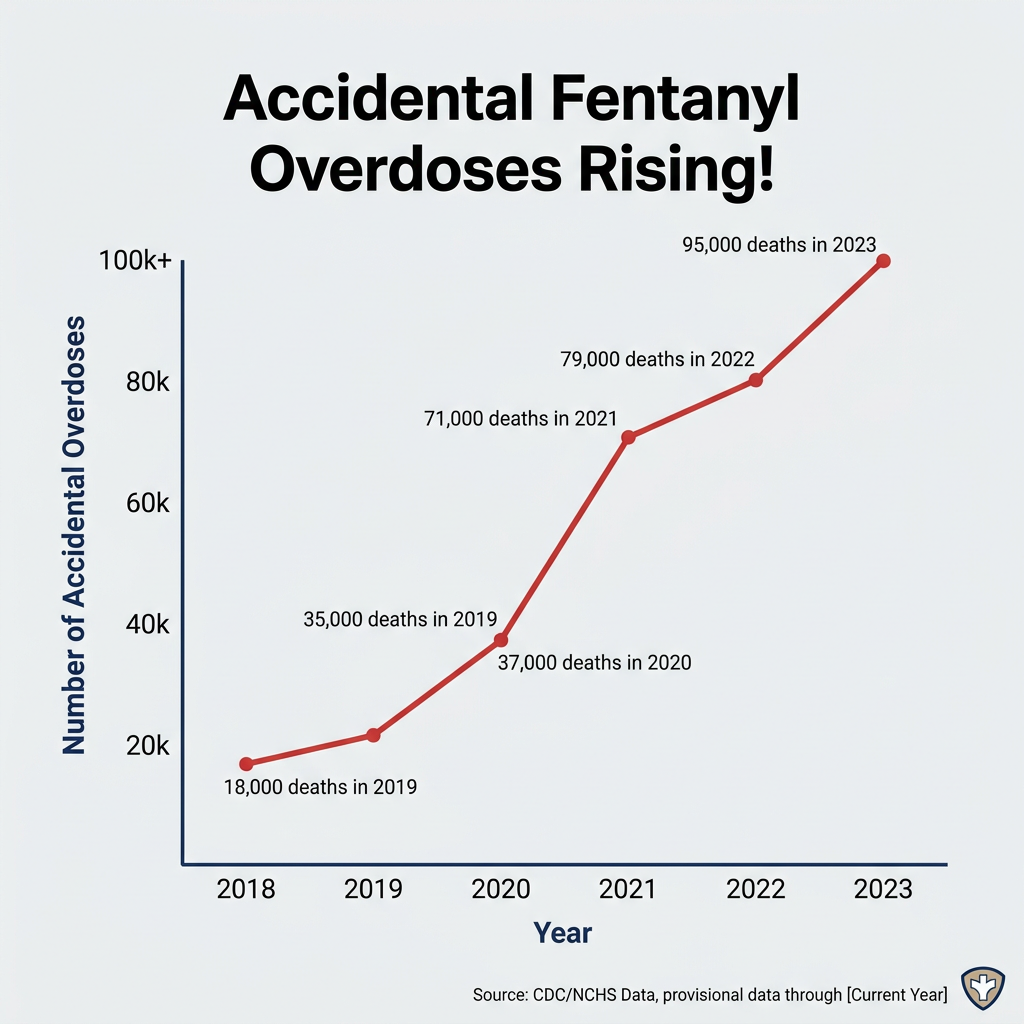
To date, there are no verified, lab-confirmed cases of commercial marijuana being intentionally laced with fentanyl in the U.S. drug supply. The FDA, DEA, and public health researchers have confirmed this. Some early news reports claimed otherwise, but lab tests showed those reports were errors.
| Where fentanyl IS a confirmed, deadly threat: Fake pills made to look like Percocet, Xanax, and Vicodin. Heroin. Cocaine. Methamphetamine. According to the DEA’s 2025 National Drug Threat Assessment, fentanyl and related compounds were found in over 25% of cocaine submissions tested in 2024. One in eight methamphetamine submissions also contained fentanyl. If someone buys what they think is a pain pill, a party drug, or a stimulant from an illegal source, there is a real chance it contains fentanyl. Fentanyl is 50 to 100 times more potent than morphine. A dose the size of a few grains of salt can be lethal. |
The reason fentanyl concerns us in the context of marijuana is this: people who use street marijuana may also be around or exposed to other street drugs — and that entire unregulated supply is increasingly dangerous. The mixing of substances, known as “drug cocktails,” is becoming more common across the illegal drug market.
Why This Matters Especially for Our Young People
More than 4 million young people ages 12 to 20 reported vaping marijuana in the past year alone, according to the DEA’s 2025 National Drug Threat Assessment. Vaping is a particularly concerning route of exposure because it is discreet, odorless, and easy to do without detection — and because vape cartridges bought off the street are especially difficult to verify.
Teenagers are at heightened risk for several reasons:
- Their brains are still developing. The prefrontal cortex — the seat of judgment, planning, and impulse control — is not fully developed until age 25. THC exposure during these years can alter brain development in ways that affect a person for life.
- They are more likely to obtain marijuana from informal, unregulated sources — friends, social networks, the street — rather than licensed dispensaries.
- They are less likely to know what they are actually consuming, and less equipped to recognize the warning signs of a drug emergency.
- Their risk of developing psychosis from high-potency THC is significantly higher than adults — up to 11 times the baseline risk, with even greater risk for those with family histories of mental illness.
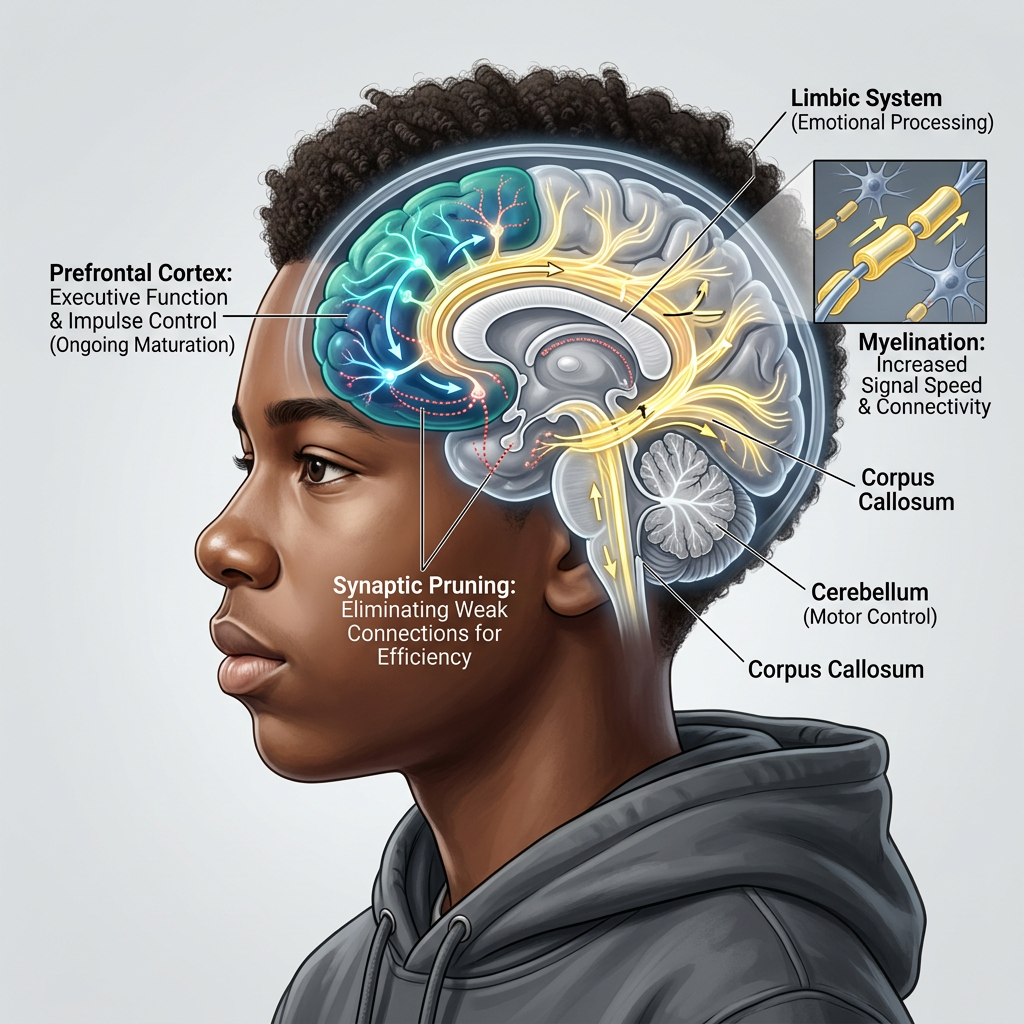
If you are a parent, grandparent, aunt, uncle, or mentor in a young person’s life, this is the conversation you need to be having — not as a lecture, but as information sharing. Our kids deserve to know what they are actually risking. And they deserve to hear it from someone who loves them, before the street teaches them the hard way.
| Signs That Marijuana May Be Laced Unusual or chemical smell (not the typical cannabis scent) · Unexpected and intense effects — hallucinations, extreme paranoia, loss of consciousness · Effects that feel completely different from previous experiences · White or blue crystals on the surface (though many contaminants are invisible) · Rapid heart rate, seizures, or difficulty breathing after use If someone shows these signs: call 911 immediately. Do not wait to see if it passes. |
Let’s get talking!
Related Podcast Episode
Marijuana 101: Everything you should know about THC, CBD & the Black community
In this episode:
Dr. Greg Hall explains the difference between CBD and THC and how they are completely different but come from a plant that looks exactly the same. He talks about the increased risk of mental illness associated with early age use…