Blog Articles
Black Men and Prostate Cancer: The Screening Conversation We Need to Have Earlier
Prostate cancer is the most common cancer in Black men, accounting for 44% of all new cancer diagnoses among them. According to the American Cancer Society, Black men are diagnosed with prostate cancer at a rate 67% higher than White…

Genetic Risk Isn’t Destiny for Black Americans. It’s a Target.
There is an understandable fear in medicine about linking genetics to the health of Black Americans. The worry goes like this: if we say Black people have an inherited risk for a disease, someone will conclude, “Well, that’s just how…

Black Women Are Three Times More Likely to Die During Pregnancy. Why?
In 2024, Black women in the United States died during pregnancy or within six weeks after at a rate of 44.8 per 100,000 live births. For White women, the rate was 14.2. That is about 3.2 times higher, and the…
African Americans and Mental Health: Lower Rates, Worse Outcomes
The Black mental health paradox By and large, African Americans report fewer depression and anxiety disorders than White Americans in national surveys. In the National Survey of American Life, about 10% of African Americans had experienced major depression in their…
Imhotep: The First Doctor in History
Ask "who was the first doctor in history?" and you'll find a surprising amount of confusion online — including, absurdly, articles that mix him up with a British science-fiction character. The real answer is far more interesting than fiction. The…
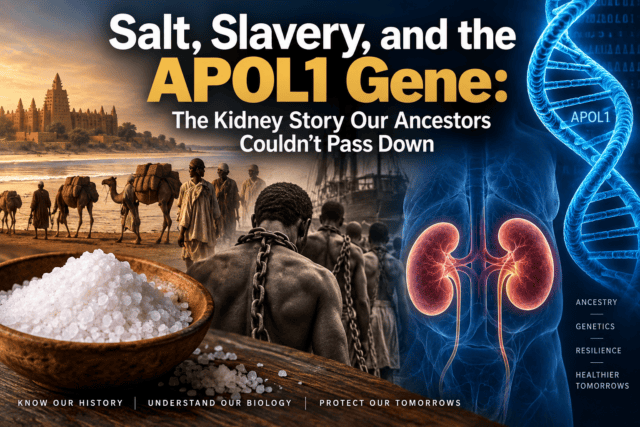
Salt, Slavery, and the APOL1 Gene: The Kidney Story Our Ancestors Couldn’t Pass Down
Every Black patient I have ever cared for who developed chronic kidney disease carried the same earlier label on their chart: salt-sensitive hypertension. In African Americans, 75 percent of patients with high blood pressure are salt sensitive, compared to 50…
Blood Clots in the Hospital and After a Cancer Diagnosis: What Black Patients Aren’t Told
Black patients face a higher blood clot risk in the hospital and during cancer treatment — and it isn't random. Here's what the research shows, and how to advocate for yourself.
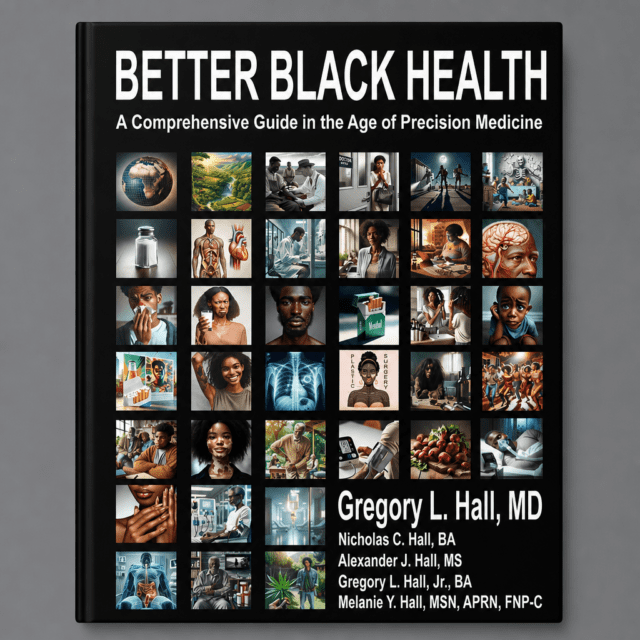
Doctor’s Orders: An Overview of Gregory Hall, MD’s Prescription to Better Black Health
By Dr. Kwa David Whitaker, Esq Introduction and Structural Framework In Better Black Health, Dr. Gregory L. Hall deconstructs systemic disparities. This clinical blueprint for over 150 conditions exposes biases within Western medicine while offering precision-based navigation strategies to challenge…
“Air Hits the Cancer and Spreads It”- A Dangerous Myth That Is Costing Black Lives
I have heard it in my office, in barbershops, and at family reunions. A patient gets a concerning lump or an abnormal scan result. Their doctor recommends a biopsy. And someone in the room — a cousin, a neighbor, an…
Uterine Fibroids and African American Women: What Every Woman Should Know
If you are a Black woman in your twenties, thirties, or forties, there is a very real chance that fibroids will become part of your life story — if they aren’t already. By age 50, an estimated 80% of African…
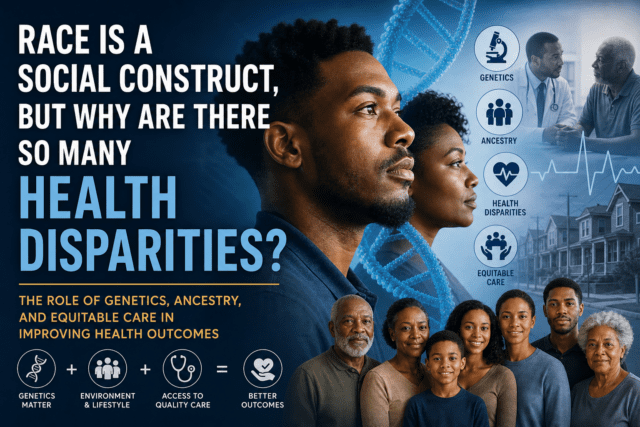
Why Do Health Disparities Exist If Race Is a Social Construct?
For years, we’ve heard a well-intentioned statement repeated in medicine and academia: “Race is a social construct.” At a high level, that statement is true. The genetic differences between humans are small—any two people’s DNA is about 99.6% identical.[1] But…
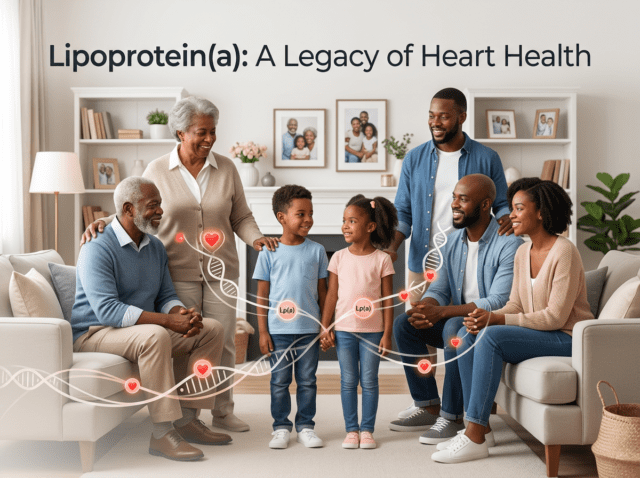
Lipoprotein(a): The Hidden Heart Risk That Hits Black Americans Hardest
A New Cholesterol Problem? When we talk about cholesterol and heart disease, most people have heard about LDL ("bad" cholesterol) and HDL ("good" cholesterol). But there is another cholesterol-related particle that deserves serious attention — especially in the Black community…