There are a number of important diet differences in African Americans that need to be considered prior to offering advice regarding improvements or adjustments. To tell someone to “eat better” without first knowing their current diet is a waste of everyone’s time.
Some of the basic foundations of African Americans’ diet stem from slavery days, but there are also more recent adaptations that have slowly weaved into the fabric of the African American diet. Some of the changes were economic and others more convenience and culture-related. To sum up the African American diet by only referring to slave influences is to ignore one and a half centuries of added impacts that made the African American diet what it is today. Food availability, storage, financial independence, health literacy, and a sense of history and heritage all contribute to the ever changing components of the widening African American diet.
More cultures, more diet changes
With the ever changing make-up of African Americans, their diet is equally changing. More Africans, Caribbeans, and mixed races folds in a number of cultural nuances that need to be considered. Even within the African American community, the diets vary greatly. Some sub-cultures eat more rice while others prefer pasta. Some avoid pork for religious reasons, while other avoid beef due to poor digestion or its increasing cost.
These considerations aside, the basics of the African American diet mirror an American diet. The “average” meal will have meat, starch, and vegetables in varying proportions.
Adding meat to your vegetables
African Americans more frequently will have their vegetables cooked rather than fresh. Because of the scarcity of meat as a main course in slavery days, seasoning these cooked vegetable dishes with fatty cuts of low preference meat (whether smoked or not) quickly became a mainstay in the African American diet. Having the lean cuts reserved exclusively for the more affluent, African Americans became accustomed to other cuts of meat (ham hocks, neck bones, and ox tails, etc.).
Now that the scarcity of meat is much less of a logistical problem, the ‘habit’ or custom of adding meats to vegetables is now merely a standard way to cook them. String beans, collard/mustard/turnip greens almost always have a smoked (and/or salted) cut of meat in the pot. Because of a growing aversion to pork products in some circles, a significant number of African Americans use smoked turkey to season cooked vegetables and beans.
African Americans eat more chicken
The breakdown in terms of specific meats preferred by African Americans show a predominance of chicken and turkey, as well as relatively more fish and pork, but less beef than white or Hispanic American diets (USDA data, shown below).

Overall, African Americans buy fewer grains, fewer vegetables, and much less milk for home, but slightly more meat and more fruit than white Americans. By increasing the amount of vegetables, particularly fresh uncooked in the form of salads, more nutritional balance can be brought to the African American diet fairly easily. The increased consumption of fish and poultry (both chicken and turkey) already represents a beneficial existing tradition.

Although African Americans eat relatively fewer vegetables, there are also distinct differences within this category with an increased consumption of fresh green beans, fresh cabbage, and fresh greens when compared with other vegetables.
African Americans cook more meals from scratch
African Americans prepare more meals “from scratch” when compared to majority populations. This diet difference in African American home cooking leads to comparatively more purchases of cooking items including spices, seasonings, oils, and preparation items including baking powder, flour, extracts, and sugars in multiple forms.
The more “home cooking” done in African American kitchens leads to less consumption of pre-processed or ready-to-eat foods which is considerably beneficial. Conventionally, when people think of processed and ready-to-eat foods, they generally equate them with poor nutritional quality and lower socio-economic status. Poti, Mendez, and colleagues looked at the nutritional value of “processed foods” and found they have “higher saturated fat, sugar, and sodium content” when compared to lesser processed foods. Because of the higher proportion of African Americans that are poor, many assumed that they too consume more ready-to-eat foods, but studies reveal that, in fact, African Americans buy less overall ready-to-eat and/or highly processed foods when compared to European Americans.
There are other differences in our healthcare that are being ignored, and all of them are covered in “Better Black Health: A Comprehensive Guide in the Age of Precision Medicine.” Get your copy today!
More fast food
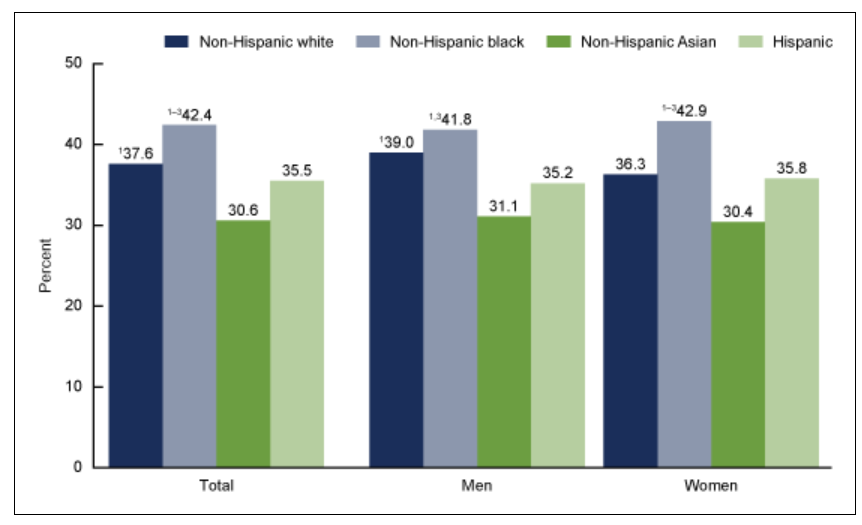
Despite buying less ready-to-eat food for home, African Americans do eat more fast food. On a given day, 42% of Black adults ate fast food, compared with 38% of white adults, with Black women the highest of any group and Black men close behind. Fast food use also rises with income for everyone. A 2023 study found that Black women with higher household incomes and several young children at home ate more fast food than women without children, likely a sign of how little time busy mothers have to cook.
More sugar-sweetened drinks
One glaring exception is sugar-sweetened drinks. African Americans buy a much higher share of sodas and other sweetened beverages than white Americans, and much less milk. National survey data show Black men get about 213 calories a day from sugary drinks, compared with 167 for white men, and Black women about 179, compared with 97 for white women. Decades of soda and drink marketing aimed at Black communities helped drive this.

Other exceptions include a significantly higher consumption of bacon and sausages. Finally, there was also an increased purchasing of processed sweeteners including sugar, syrups, jams and jellies in African American consumers.
While there are far more diet differences in African Americans to cover, the best way to advise a patient on their diet is to first know their specific diet . . . don’t generalize . . . interview. Find out what, exactly, they eat, and then devise an alternative plan with suitable substitutions. Very few people will be able to completely change their diet, and providers should not expect this because it is unrealistic. But we should be able to give helpful advice based on a detailed interview.
The precision medicine connection
Diet advice works best when it fits both the food on the table and the body eating it. Here is where ancestry and genetics come in.
1. The DASH diet works especially well for us
The DASH eating plan is rich in fruits, vegetables and low-fat dairy and low in saturated fat. In the original DASH trial, it lowered systolic blood pressure by 6.8 points in African Americans, more than twice the 3.0-point drop in white participants, without cutting salt or losing weight (Svetkey et al., 1999). Our tradition of eating chicken, turkey, fish, greens and fruit is a strong head start. One caution: DASH is high in potassium, so people with advanced kidney disease should check with their doctor first.
2. Watch the salt in the seasoning meat
Ham hocks, neck bones and even smoked turkey add a lot of sodium to a pot of greens or beans. The American Heart Association lists race and ethnicity among the factors that affect how strongly blood pressure responds to salt (AHA scientific statement), and salt-sensitive blood pressure is common in Black adults. About 13% of African Americans also carry two copies of the APOL1 kidney-risk gene (Jackson Heart Study). Try onion, garlic, smoked paprika or a little vinegar for flavor instead. Read more in Salt Intolerance Is Killing the Black Community and Salt, Slavery, and the APOL1 Gene.
3. Less milk is often genetic, so plan for calcium and vitamin D
We buy much less milk largely because most African Americans are lactose intolerant, a trait written in our genes. That makes it harder to get calcium and vitamin D. Greens, canned fish with bones and fortified foods help, and I recommend 2,000 IU of vitamin D a day for most African Americans. See Lactose Intolerance in African Americans and Low Vitamin D in African Americans.
4. Sugary drinks and diabetes risk
African Americans develop type 2 diabetes at higher rates, and the extra calories from sodas and sweet drinks add up fast. Swapping one sugary drink a day for water or unsweetened tea is one of the easiest changes with real payoff. Learn more in Diabetes Differences in African Americans.
For patients and families, I explain more in my book Better Black Health. For clinicians, see Precision Medicine for African Americans (Springer).
Check out this great video on cooking oils and the dangers of reusing oils !!