

By Dr. Kwa David Whitaker, Esq
Introduction and Structural Framework
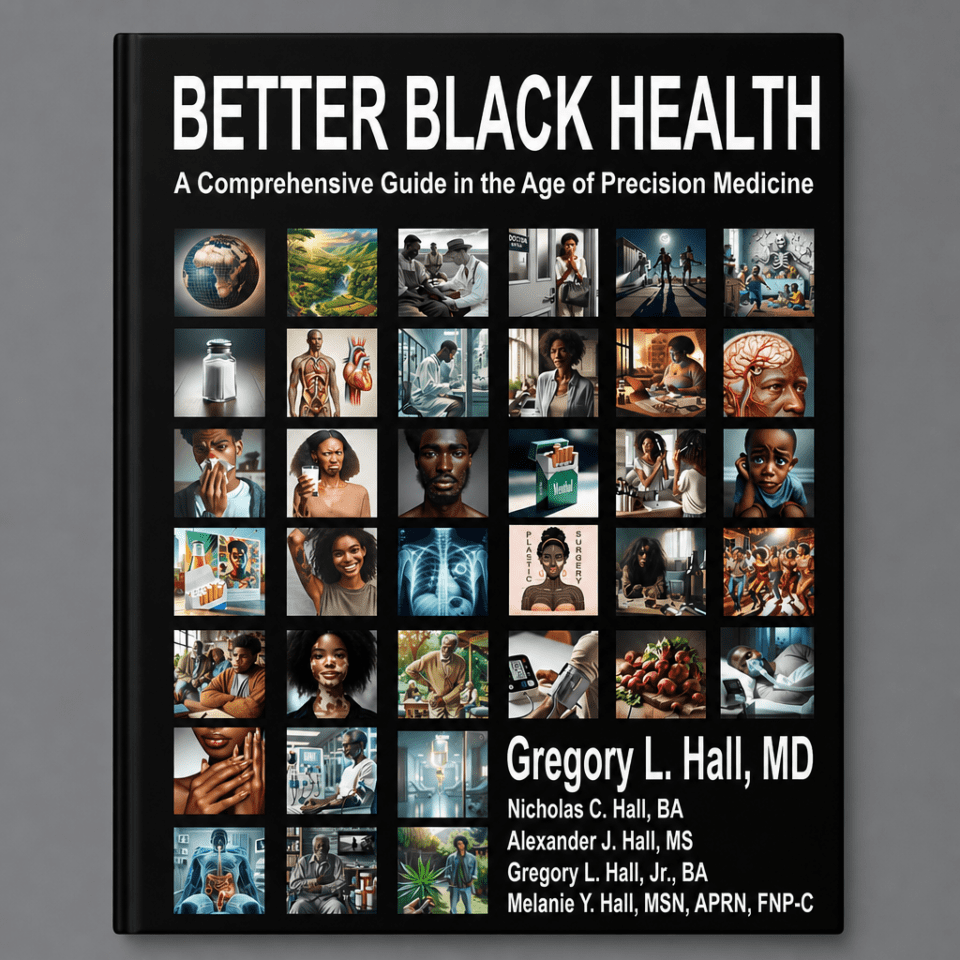
In Better Black Health, Dr. Gregory L. Hall deconstructs systemic disparities. This clinical blueprint for over 150 conditions exposes biases within Western medicine while offering precision-based navigation strategies to challenge standard clinical paradigms.
The Physiology of “Weathering” and Chronic Stress
Dr. Hall emphasizes “weathering”—accelerated aging caused by lifelong exposure to systemic racism. This sustained allostatic load triggers a chronic overproduction of stress hormones, which accelerates cardiovascular damage, thickens arterial walls, disrupts metabolism, and suppresses baseline immune defenses.
- Pronounced Disease Manifestations and Population-Specific Profiles The text details how specific illnesses manifest uniquely within the Black community:
- Cardiovascular: Hypertension occurs at disproportionate rates, raising stroke and myocardial infarction risks due to cortisol-driven stress and genetic salt sensitivity.
- Metabolic: Flatbush Diabetes (ketosis-prone diabetes) is highly prevalent but frequently mismanaged under standard diagnostic criteria.
- Nutritional Gaps: Nine out of ten older Black adults lack optimal magnesium, alongside widespread deficits in vitamins D, C, and zinc.
- Oncology & Reproduction: Black men experience higher colon cancer rates appearing much earlier than standard screening timelines. Significant maternal preeclampsia risks are also highlighted.
Targeted Preventative Nutrition and Clinical Interventions
Rejecting commercial trends, Dr. Hall advocates for precision nutrition. He recommends tailored supplementation to close vital magnesium and vitamin D gaps, while warning against unvetted supplements. Because 75% of African Americans exhibit biological salt sensitivity, aggressive sodium restriction is mandatory to manage hypertension.
Systemic Navigation and Patient Advocacy Strategies
The ultimate prescription dictates proactive advocacy against clinical bias and flawed race-based algorithms. Dr. Hall urges patients to demand early screenings, log symptoms, and cross-examine treatments, noting that common first-line medications like ACE inhibitors are frequently ineffective for Black patients.
Closing Remarks and Recommendation
From the industrial innovations of Garrett Morgan to the modern world-title canvas of young boxing phenom, Abdullah Mason, Cleveland’s East Side extends its history of global achievement. The city consistently transforms systemic barriers into new arenas of absolute mastery, be it birthing historic political firsts under Carl and Louis Stokes or providing the training ground for sports legends like Satchel Paige and Jim Brown. At East Tech, Cleveland groomed a legendary track dynasty of Jesse Owens and Harrison Dillard from local dirt lanes to Olympic immortality. Decades later, that same collective excellence sparked a cinematic revolution when Glenville High classmates wrote, acted in, and produced the iconic film Super Fly, starring Ron O’Neal, that redefined the look of independent Black cinema. Those very same Glenville halls produced Steve Harvey, whose career was blossoming not far from where Arsenio Hall would get his start and Halle Berry would rise, bringing fellow Clevelander Dorothy Dandridge’s legacy to life before landing her own Academy Award.
In keeping with this tradition, Gregory L. Hall, MD, has permanently etched his name into this unwavering tapestry of civic responsibility, activism, and Black excellence with the publication of Better Black Health—using his medical leadership to illuminate institutional inequities and offer a straightforward, user-friendly and trustworthy blueprint that will lead adherents to a better, longer, and more productive life. And I, for one, am so glad he did. Get your copy right away and judge for yourself!