
If you’ve spent any time online lately, you’ve probably seen someone promoting vitamin K2—usually alongside vitamin D3. Influencers call it the “missing link” for bone health. Supplement companies say it protects your heart. Some even claim everyone should be taking it.
But here’s the problem:
Most supplement advice isn’t designed with Black bodies in mind.
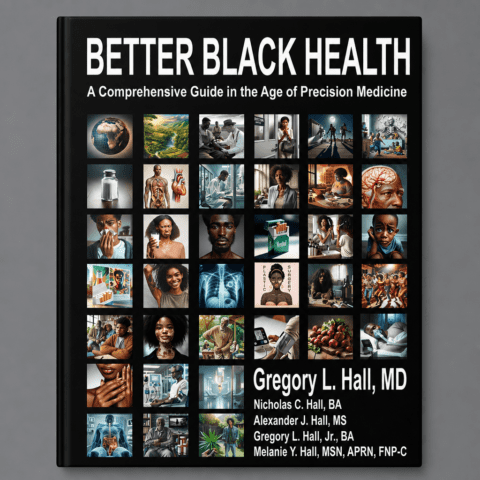
And if you’ve read my book Better Black Health, you already know one of my core messages: what works for the majority population doesn’t automatically work for us. That’s where precision medicine comes in.
So let’s break this down in plain language.
First, What Is Vitamin K?
Vitamin K is a fat-soluble vitamin that plays two major roles in the body:
- Helps your blood clot
- Helps manage calcium in your bones and blood vessels
There are two main types:
Vitamin K1
- Found in leafy green vegetables like collards, kale, spinach
- Primarily supports blood clotting
Vitamin K2
- Found in fermented foods (like natto) and some cheeses
- Helps move calcium into bones and keep it out of arteries
Here’s a simple way to think about it:
- Vitamin D3 helps you absorb calcium.
- Vitamin K2 helps direct where that calcium goes.
That’s why you often see them sold together.
Why Is Vitamin K2 So Popular?
In some European and Japanese studies, vitamin K2 has been associated with:
- Improved bone mineral density
- Reduced fracture risk
- Potential slowing of arterial calcification
Sounds great, right?
Well, here’s the key question:
Who were those studies done on?
Mostly White and East Asian populations.
And that matters.
What Makes Black Health Different?
In Better Black Health, I talk extensively about how Black Americans have unique health patterns that must be addressed with precision—not generalization.
Here are two critical realities:
1. Black Americans Have Stronger Bones
Across multiple studies, African Americans have:
- Higher bone mineral density
- Lower rates of osteoporosis
- Lower hip fracture rates compared to White Americans[1]
So if vitamin K2 is being promoted primarily to reduce fracture risk, we have to ask:
Is that even a major problem in our community?
If your baseline risk is already low, the potential benefit of supplementation may also be low.
2. Black Americans Have Higher Clotting Risk
Now let’s talk about something we do experience at higher rates:
- Stroke
- Heart attack
- Deep vein thrombosis (DVT)
- Pulmonary embolism
Research shows African Americans tend to have higher levels of certain clotting factors like Factor VIII and fibrinogen.[2] In plain terms:
We already have a higher tendency toward clot formation as a population.
Now let’s connect the dots.
Vitamin K activates clotting proteins in the liver. That doesn’t mean vitamin K2 “causes” clots. But it does mean it participates in the clotting system. To be fair, studies so far have not shown harm from vitamin K in food or supplements for people who aren’t on warfarin[3] — but those studies were not designed around Black patients with higher baseline clotting risk.
So if a population already has elevated thrombotic risk, and there’s no evidence of vitamin K deficiency, we need to be thoughtful—not reactive—about adding more of it.
That’s not fear.
That’s precision medicine.
Are Black Americans Vitamin K Deficient?
There is no evidence of widespread vitamin K deficiency in African Americans. In fact, true vitamin K deficiency in adults is very rare.[3]
True deficiency is rare in adults who eat a normal diet—especially if leafy greens are part of that diet. And culturally, many traditional Black diets include foods rich in vitamin K1, like collards and other greens.
So we’re not correcting a known deficiency.
What About Vitamin D3 + K2 Together?
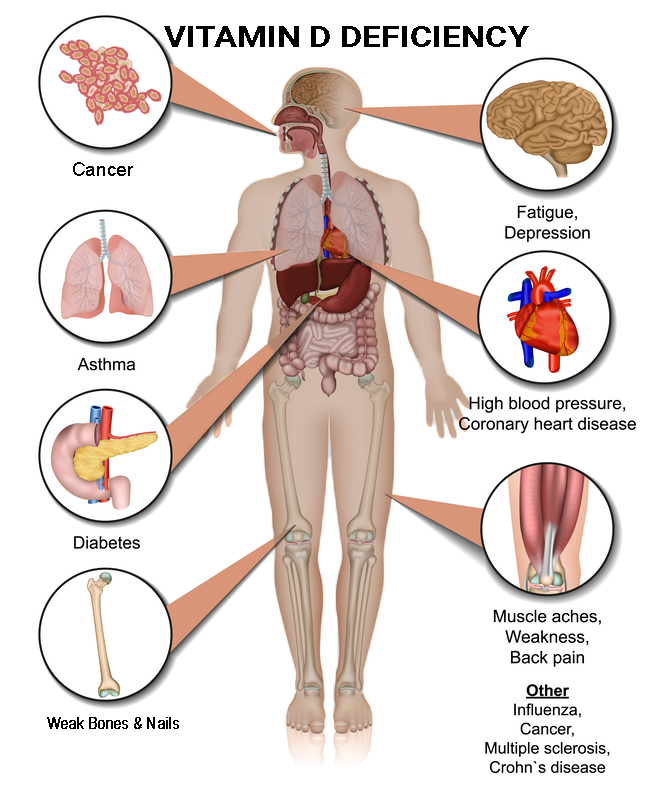
Vitamin D deficiency is widespread in Black Americans because modern life doesn’t allow us to get enough sun.
Low vitamin D is associated with a long list of health problems — and it is one of the easiest things to check off. A simple blood test tells you your level. In research studies, low vitamin D is associated with higher rates of:
- High blood pressure
- Diabetes
- Heart disease
- Certain infections
- Immune system problems
- Mental illness
- And much more
Here is the precision medicine nuance. Large clinical trials — including VITAL, which enrolled more than 5,000 Black Americans — found that taking vitamin D did not prevent heart disease or cancer in people who were not selected because they were low,[4] and a major trial in people with prediabetes did not show a significant drop in new diabetes.[5] Some research even suggests the standard blood test may overstate deficiency in some Black Americans, because of differences in the protein that carries vitamin D in the blood.[6] The takeaway: association is not the same as proof that a pill prevents disease. Know your level, correct a true deficiency with your doctor, and don’t assume a supplement is doing more than the evidence shows.
There is one more piece of the puzzle when D3 and K2 are paired:
- Vitamin D increases calcium absorption.
- Vitamin K2 helps regulate where calcium goes.
In theory, that pairing makes biological sense.
But we do not have large-scale data showing that vitamin K2 supplementation reduces cardiovascular events or improves outcomes in African Americans.
And we certainly don’t have data proving that routine supplementation benefits us more than it could potentially increase risk in those with high clotting tendencies.
Until we have that data, blanket recommendations don’t serve us.
This Is What Precision Medicine Looks Like
Precision medicine means we stop assuming all bodies respond the same way.
It means asking:
- What is my baseline risk?
- Do I have documented deficiency?
- What is my clotting history?
- Have I had a stroke, heart attack, or DVT?
- Am I on blood thinners?
It means understanding that:
A supplement that may help a population with high fracture risk and low clotting risk may not be automatically beneficial in a population with lower fracture risk and higher clotting risk.
That’s not about division.
That’s about biology.
Let Me Be Clear
I am not saying vitamin K2 is “dangerous.”
I am saying this:
If you are Black and:
- Have had a stroke (or are at risk)
- Have had a heart attack (or are at risk)
- Have had a DVT or pulmonary embolism
- Have a known clotting disorder
- Are taking blood thinners — especially warfarin (Coumadin), which works by blocking vitamin K, so changes in vitamin K intake can throw off your dose[3]
You should not start vitamin K supplementation without consulting your physician.
That’s not alarmist. That’s being responsible.
Food First, Supplements Second
Before reaching for a bottle, remember:
- Leafy greens provide vitamin K1.
- Balanced nutrition supports bone and cardiovascular health.
- Weight-bearing exercise improves bone density.
- Blood pressure control reduces stroke risk.
- Managing diabetes reduces vascular damage.
Supplements cannot outrun poor lifestyle fundamentals.
And they should never replace individualized/precision medical guidance.
The Bigger Lesson
The supplement industry markets to the majority population and assumes universal applicability.
But Black health is different.
That’s why I wrote Better Black Health.
That’s why I advocate for precision medicine.
And that’s why conversations like this matter.
We deserve health strategies based on data—not trends.
We deserve research that includes us.
And we deserve to ask smarter questions before putting anything into our bodies.
Final Thoughts
Vitamin K2 may have benefits in certain populations.
For Black Americans, the evidence is limited, and our baseline risks are different.
So the answer is not “never.” The answer is “not automatically.”
That’s what Better Black Health is about—moving from generic advice to personalized strategy.
Because our health isn’t one-size-fits-all. And it never has been.
Watch: Vitamin D3 & Vitamin K2: Is It Safe for African Americans?
References
- National Institute of Arthritis and Musculoskeletal and Skin Diseases (NIH). Osteoporosis: causes, risk factors, and symptoms. niams.nih.gov/health-topics/osteoporosis
- Genetic admixture is associated with plasma hemostatic factor levels in self-identified African Americans and Hispanics: the Multi-Ethnic Study of Atherosclerosis (MESA). J Thromb Haemost. 2012. pmc.ncbi.nlm.nih.gov/articles/PMC3361899/
- NIH Office of Dietary Supplements. Vitamin K: fact sheet for health professionals. ods.od.nih.gov/factsheets/VitaminK-HealthProfessional/
- Manson JE, Cook NR, Lee IM, et al. Vitamin D supplements and prevention of cancer and cardiovascular disease (VITAL). N Engl J Med. 2019;380(1):33-44. nejm.org/doi/full/10.1056/NEJMoa1809944
- Pittas AG, Dawson-Hughes B, Sheehan P, et al. Vitamin D supplementation and prevention of type 2 diabetes (D2d). N Engl J Med. 2019;381(6):520-530. doi.org/10.1056/NEJMoa1900906
- Powe CE, Evans MK, Wenger J, et al. Vitamin D-binding protein and vitamin D status of Black Americans and White Americans. N Engl J Med. 2013;369(21):1991-2000. doi.org/10.1056/NEJMoa1306357