
Dr. Greg Hall explains the difference between CBD and THC and how they are completely different but come from a plant that looks exactly the same. He talks about the increased risk of mental illness associated with early age use as well as how marijuana compares to other addictive substances . This is an unbiased discussion of the “ins and outs” of marijuana from a medical standpoint.
Marijuana (Cannabis, weed, pot, etc. ) is one of the most talked-about — and most misunderstood — substances in America right now. And the conversation has changed faster than the understanding.
It’s legal in many states. It’s marketed differently than ever before. And it’s increasingly seen as completely harmless — or even medically necessary.
But here’s what I know as a physician who has dedicated my career to Black health: the Black community has always faced a unique relationship with this substance — from the criminal justice system to health disparities — and we deserve straight talk rooted in science, not politics.
First, What Exactly Is It?
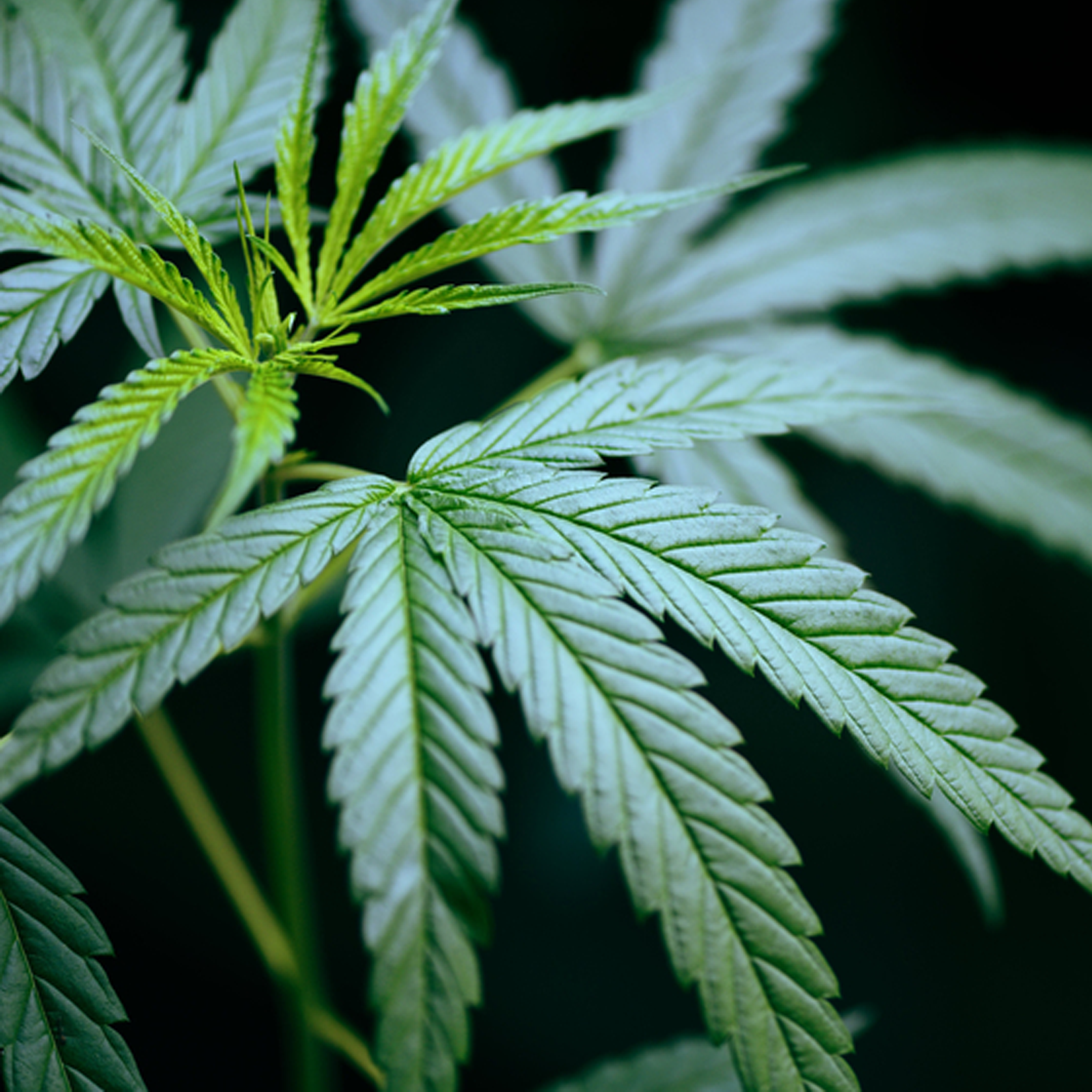
Cannabis sativa is a plant native to Central and South Asia. It contains over 400 chemical compounds. The two you need to know are:
- THC (tetrahydrocannabinol): The primary psychoactive component — the chemical that gets you high. This is the one that carries the most health risks.
- CBD (cannabidiol): A non-psychoactive cannabinoid with legitimate medical uses. CBD does not get you high and does not cause dependence.
| Bottom Line THC gets you high and carries the risks. CBD does not. The market has blurred these two together, leading people to assume all cannabis products are equally safe — or equally dangerous. Neither is true. |
Cannabis has a long history in African and African American culture. It was incorporated into African healing traditions more than 700 years ago. Understanding this history matters — but so does understanding what the science tells us today about how this plant affects our bodies.
This Is Not Your Parents’ Marijuana
One of the most important things I can tell you is this: the marijuana people are using today is not the same substance as it was 20 or 30 years ago.
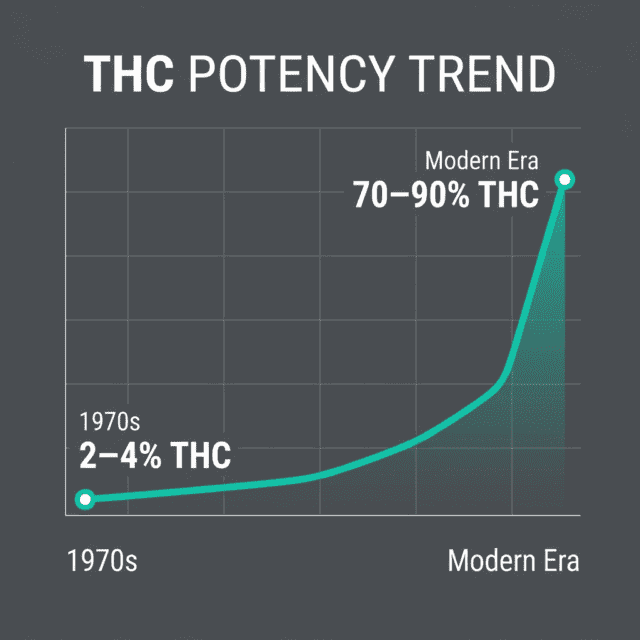
In the 1980s, THC content in marijuana averaged around 2–4%. Today’s flower averages 15–25% THC. Concentrates and vape products can reach 70–90% THC.
The human brain has not adapted to these concentrations. People who think they know how marijuana affects them — based on their own past experience, or their parents’ experience — are dealing with a completely different substance.
And it’s not just about smoking anymore. We’re talking about:
- Edibles — which are slower to hit and far easier to overconsume
- Vaping — which delivers highly concentrated THC directly to the lungs
- Concentrates — sometimes called “dabs” — with some of the highest THC levels ever seen
Each of these affects your body differently. And each carries its own risks.
What It Does to Your Mind
Mental Health Risks
Many people use marijuana to relax or deal with stress. In the short term, it can feel like it helps. But what the research actually shows is more complicated.
Regular use increases the risk of developing or worsening serious mental health conditions, including:
- Bipolar disorder
- Major depressive disorder
- Schizophrenia
| Critical Warning for Families Among adolescents and young adults, regular THC use increases the risk of psychosis by up to 11 times. The risk is even higher in those who have a first-degree relative with a psychotic disorder. If mental illness runs in your family — and in many Black families it goes undiagnosed and untreated — marijuana may push you closer to that reality. |
High doses can cause hallucinations. THC activates CB1 receptors in the brain’s fear and anxiety centers. For people with a genetic vulnerability, this can trigger or accelerate psychosis, severe anxiety, or paranoia — especially with the high-potency products now on the market.
The Motivation Problem
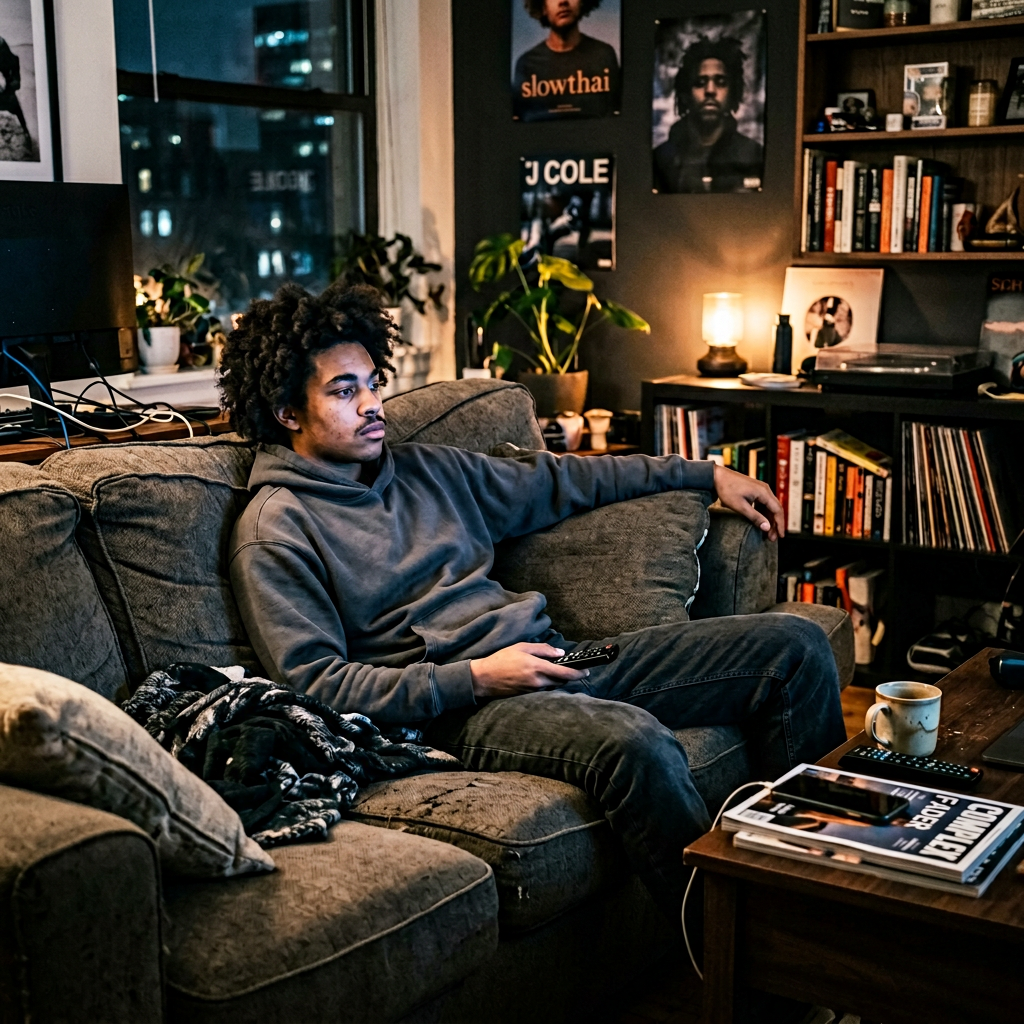
There’s a real but underappreciated condition called Cannabis Amotivational Syndrome. It’s characterized by apathy, reduced goal-directed behavior, and a diminished ability to concentrate, follow through, or master new material.
Chronic THC use affects the prefrontal cortex — the part of the brain responsible for planning, follow-through, and motivation. Users often feel productive while their actual output slows down significantly.
This matters for our community. We cannot afford to lose our drive. We cannot afford to check out.
The Creativity Myth
Many people believe marijuana boosts creativity. The research is more nuanced. THC can feel like it enhances creativity because it loosens inhibition and increases what’s called “associative thinking” — making unexpected connections. But controlled studies show it doesn’t reliably improve creative output. It may lower the filter, but the talent still has to be there.
What It Does to Your Body
The effects of marijuana are not limited to the mind.
- When you use marijuana, your heart rate increases and your blood pressure initially drops — causing that “light-headed” feeling many people notice.
- Over time, marijuana can drive blood pressure up and slightly increase the risk of heart attacks and strokes.
- Inhaled cannabis causes acute bronchial irritation and can produce chronic respiratory symptoms including asthma, wheezing, and persistent cough.
- A 2023 study found that nearly 40% of marijuana smokers developed gynecomastia (abnormal breast tissue growth in men), compared to 15% of non-smokers.
Given that Black Americans already carry a disproportionate burden of cardiovascular disease, hypertension, and diabetes, these effects deserve serious consideration. These are not small risks. They compound risks that are already too high in our community.
Is It Addictive? Let’s Be Honest.
One of the most common beliefs about marijuana is that it isn’t addictive. Here is what the research actually shows:
- 1 in 5 people who use cannabis will develop an addiction. (4 out of 5 will not.)
- 1 in 3 people who use it daily become addicted. (2 out of 3 do not.)
- About 30% of regular marijuana users develop Cannabis Use Disorder.
Withdrawal is real — irritability, sleep disruption, anxiety, appetite loss. It’s not as dramatic as opioid withdrawal, but it is not nothing.
Here’s how tolerance and dependence work: when someone uses daily, the brain adjusts. It starts producing less of its own dopamine and natural calming chemicals on its own. What started as a choice to feel good slowly becomes what you need just to feel normal.
| This is not a character flaw. It is neuroscience. The same brain chemistry that makes our community resilient can also make it vulnerable to dependence. Knowledge is the protection. |
The Justice Dimension
No conversation about marijuana and Black America can be complete without addressing the criminal justice system.
For decades, Black Americans were arrested for marijuana possession at nearly 4 times the rate of white Americans — even though use rates are similar across racial groups. Those arrests created lasting damage: lost employment opportunities, broken families, blocked access to housing and education.
Now marijuana is being legalized and commercialized — in many cases generating wealth for others while those most harmed by its criminalization have seen little remedy or reinvestment.
Being informed about marijuana’s health effects is not about judgment. It is about making sure our community has the same accurate information that is guiding those business and policy decisions — and can make choices with full knowledge of the risks and benefits.
Where the Science Supports Medical Use
To be fair and complete: there are conditions where cannabis-based treatments have genuine, evidence-based benefit:
- Chronic pain (particularly neuropathic pain)
- Chemotherapy-induced nausea and vomiting
- Multiple sclerosis — specifically spasticity
- Seizure disorders (particularly CBD-based treatments like Epidiolex)
- Insomnia — though the evidence on long-term benefit is more mixed
If you are using marijuana for a medical condition, that conversation should happen with your doctor — not in isolation, and not based on what the dispensary tells you. Medical decisions deserve medical guidance.
What I Want You to Take Away
I am not here to tell you what to do. I am here to give you the real information so you can decide for yourself.
Here is what I want you to hold onto:
- Today’s marijuana is dramatically more potent than it was 20–30 years ago. Adjust your assumptions accordingly.
- Mental health risk is real — especially for young people and anyone with a family history of mental illness.
- Addiction is possible. Approximately 1 in 5 users will develop dependence.
- Your heart and lungs are affected. These are critical concerns for a community that already faces elevated cardiovascular risk.
- THC and CBD are not the same thing. Do not let marketing blur that distinction.
- If you are using marijuana for medical reasons, talk to your doctor. You deserve medical-grade information, not dispensary sales pitches.
The Black community has survived and thrived through far harder challenges than this one. We do it by staying informed, looking out for each other, and demanding the truth.
This is the truth — as best as science currently understands it.
Your health is worth protecting.