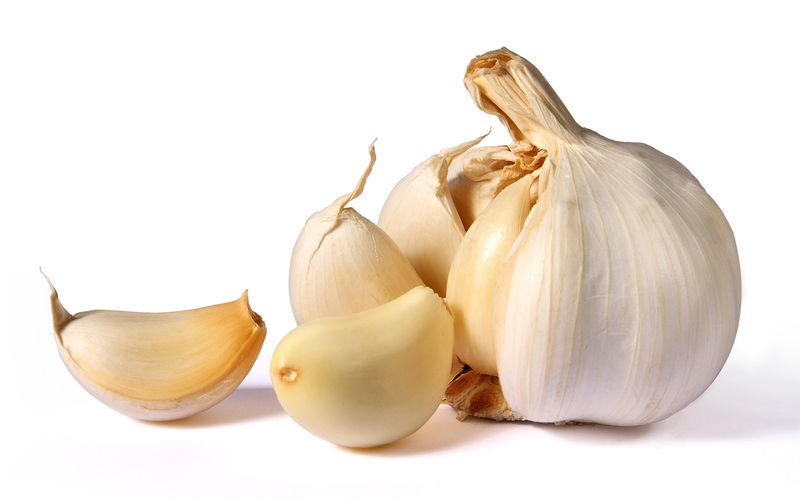

My African American patients are always talking about taking garlic rather than starting blood pressure or cholesterol-lowering medications. But what is the truth about the benefits of garlic? And how much should you take?
Garlic does have real health benefits. Good studies show it can modestly lower blood pressure, and it has anti-inflammatory and antimicrobial effects. The key compound, allicin, gives garlic its smell and taste. But the question my patients are really asking is whether garlic can replace their medicine. For most people, it cannot.
What is allicin?
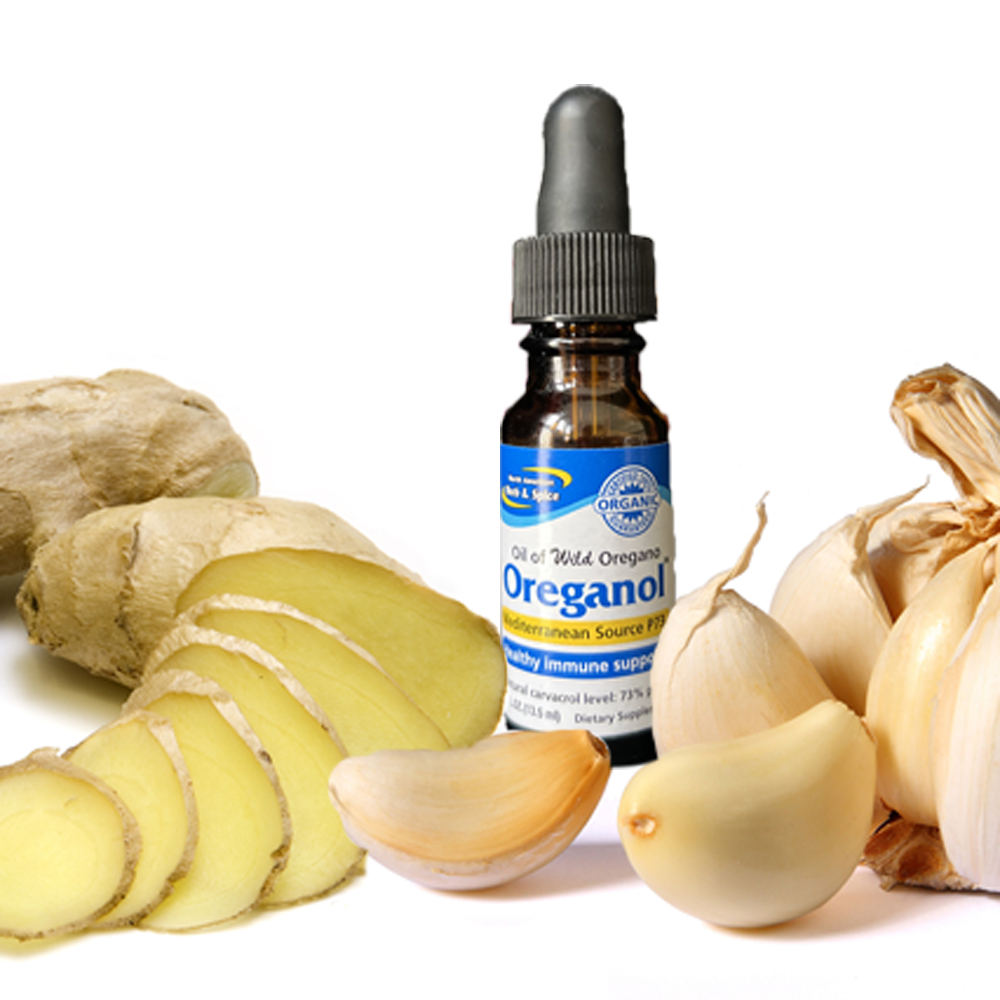
Allicin forms when garlic is crushed or chopped. In the lab, it fights bacteria and acts as an antioxidant. Allicin breaks down quickly, so crushing or chopping garlic and letting it sit for about 10 minutes before cooking helps preserve it. Aged garlic extract, the form used in many blood pressure studies, contains other stable sulfur compounds such as S-allylcysteine.
Does garlic lower blood pressure?
Yes, modestly. In an analysis of clinical trials, garlic supplements lowered systolic blood pressure (the top number) by about 8 points in people with high blood pressure (Journal of Nutrition, 2016). That is similar to some blood pressure pills at a low dose. But many people with high blood pressure need to come down 20 points or more, so garlic usually works best alongside, not instead of, medicine.
Does garlic lower cholesterol?
The evidence is mixed. Older studies suggested garlic lowered cholesterol by about 10%, and combined analyses show small drops in total cholesterol. But in a careful Stanford trial, 192 adults ate the equivalent of a full clove of raw garlic or took garlic supplements six days a week for six months, and their LDL (“bad”) cholesterol did not change (Stanford Medicine). If your cholesterol is high, a statin remains the proven option. See my article Are Statins Bad for You? What African Americans Need to Know.
Can garlic help prevent cancer?
Population studies link eating more garlic and onions to a lower risk of some cancers, especially stomach and colon cancer, which are common in African Americans. In the lab, allicin slows the growth of cancer cells and can trigger cancer cell death. But lab results do not prove garlic prevents or treats cancer in people, and no one should use garlic in place of cancer screening or treatment.
The precision medicine connection
Precision medicine asks how a remedy fits your health and your medicines. For African Americans, garlic has one clear role and two important cautions.
1. Use garlic in place of salt
High blood pressure starts earlier and is more severe in African Americans, and many of us are salt-sensitive, meaning our blood pressure rises more with salt. Fresh garlic, garlic powder (not garlic salt), and onion add big flavor to greens, beans, and meats with no sodium. That swap, along with a diet rich in fruits and vegetables, can lower blood pressure more than garlic pills alone.
2. Garlic pills and blood thinners
Garlic supplements slow blood clotting. If you take warfarin, aspirin, clopidogrel (Plavix), or another blood thinner, ask your doctor before taking garlic pills, and stop them 7 to 10 days before surgery or dental work. Garlic in food is not the concern; concentrated supplements are.
3. Garlic pills and HIV medicines
Garlic supplements can sharply lower blood levels of some HIV medicines, which can make them less effective. Black Americans account for the largest share of new HIV diagnoses in the U.S., so this interaction matters in our community. If you take HIV medicine, tell your provider about every supplement you use. Garlic can also add to the effect of diabetes medicines, so watch for low blood sugar.
These are the kinds of differences covered in Better Black Health, written for patients and families, and Precision Medicine for African Americans (Springer Nature), written for clinicians.
How much garlic should you take?
Studies have used about one clove of fresh garlic a day, or garlic supplements (often aged garlic extract) at the doses on the label. There is no proven dose for cancer prevention. So let’s be real: if your doctor told you to eat garlic every day, EVERY DAY, would you do it? Probably not, and that may be one reason so many people need blood pressure and cholesterol medicines.
But make no mistake: garlic is good for you, especially when it replaces salt in your cooking. Just don’t stop your medicine without talking to your doctor.

Related Podcast Episode
Our Vitamin Needs are Different
In this episode:
Dr. Hall reviews the nutritional differences African Americans experience as well as discusses a theory for why GNetX Sequence Multivitamins for African Americans are the best choice for a multivitamin.