
While I practice conventional medicine, some approaches to health predate my clinical practice by centuries. There is a growing interest in food as medicine, and garlic, ginger, and oil of oregano are three of the most popular. They get little attention in the Black community, but they have real, if modest, benefits. Good nutrition supports your immune system and overall health, though it cannot replace proven protection such as vaccines, condoms, and testing for sexually transmitted infections. Here is what the science shows, and where to be careful.
Garlic
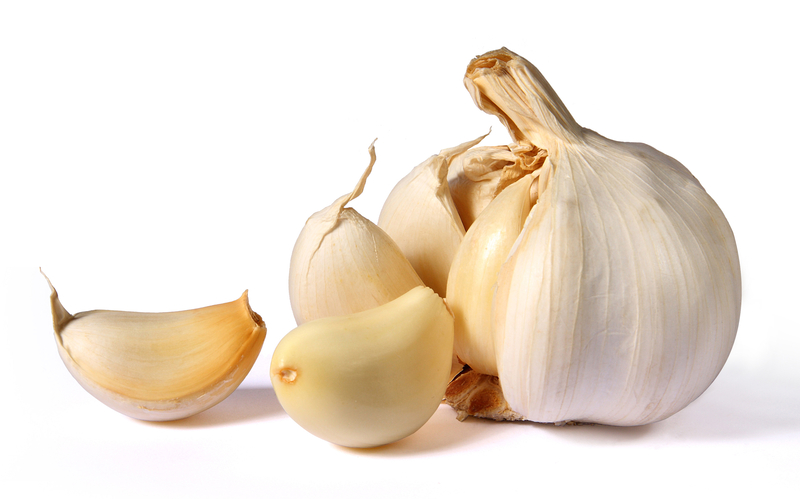
Aside from chasing away the nearest vampire, garlic has several medicinal properties. The best evidence shows garlic supplements can modestly lower blood pressure, and garlic has antioxidant and anti-inflammatory effects. Garlic contains small amounts of potassium, zinc, and magnesium, minerals many African Americans run low in, and very little sodium, although a few cloves supply only a tiny share of what you need each day.
Studies of garlic and cholesterol have been mixed, and when examined closely, the effect is too small to prevent heart attacks or strokes. Don’t substitute garlic for your cholesterol medicine (statins). For the full story, read my article Garlic and African American Health: Can It Replace Your Blood Pressure Medicine?
Ginger
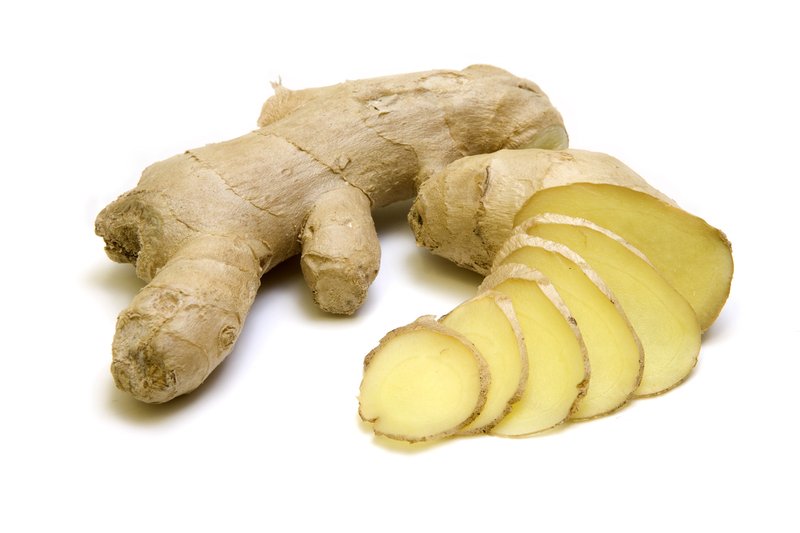
Ginger has numerous benefits, and its best-proven use is for nausea, including morning sickness and nausea from chemotherapy. It has been used for centuries for stomach complaints. In the lab, ginger is good at halting the growth of several bacteria, including E. coli and Shigella, and has shown activity against viruses such as RSV, though those results have not been proven in people.
Small studies suggest ginger may play a role in weight loss and ease arthritis pain. In people with type 2 diabetes, ginger supplements have modestly lowered fasting blood sugar and A1c, helping some stabilize their diabetes. In lab studies, ginger compounds curb the growth of several cancer types, including stomach, ovarian, liver, breast, and prostate, but this has not been shown in people.
Oil of oregano
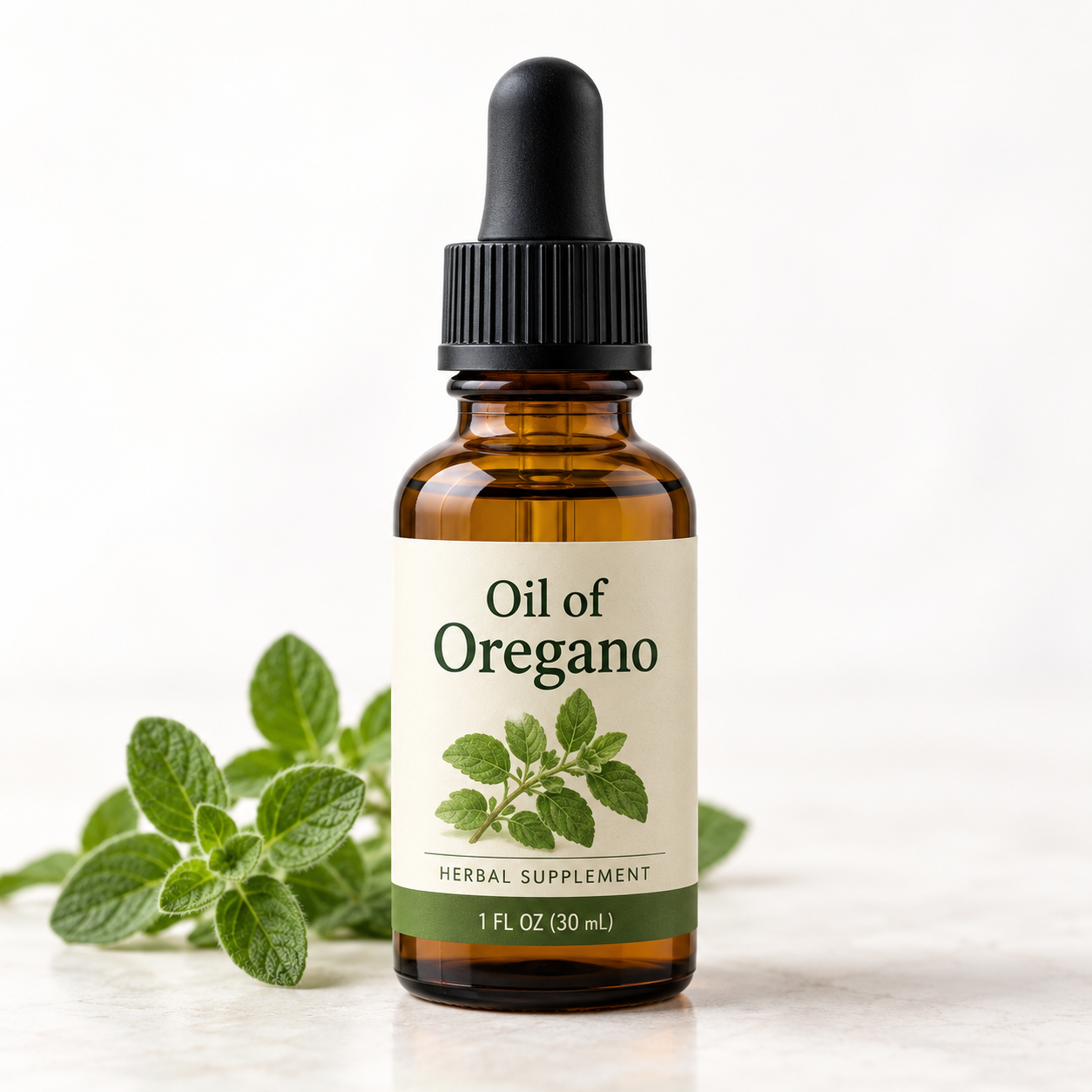
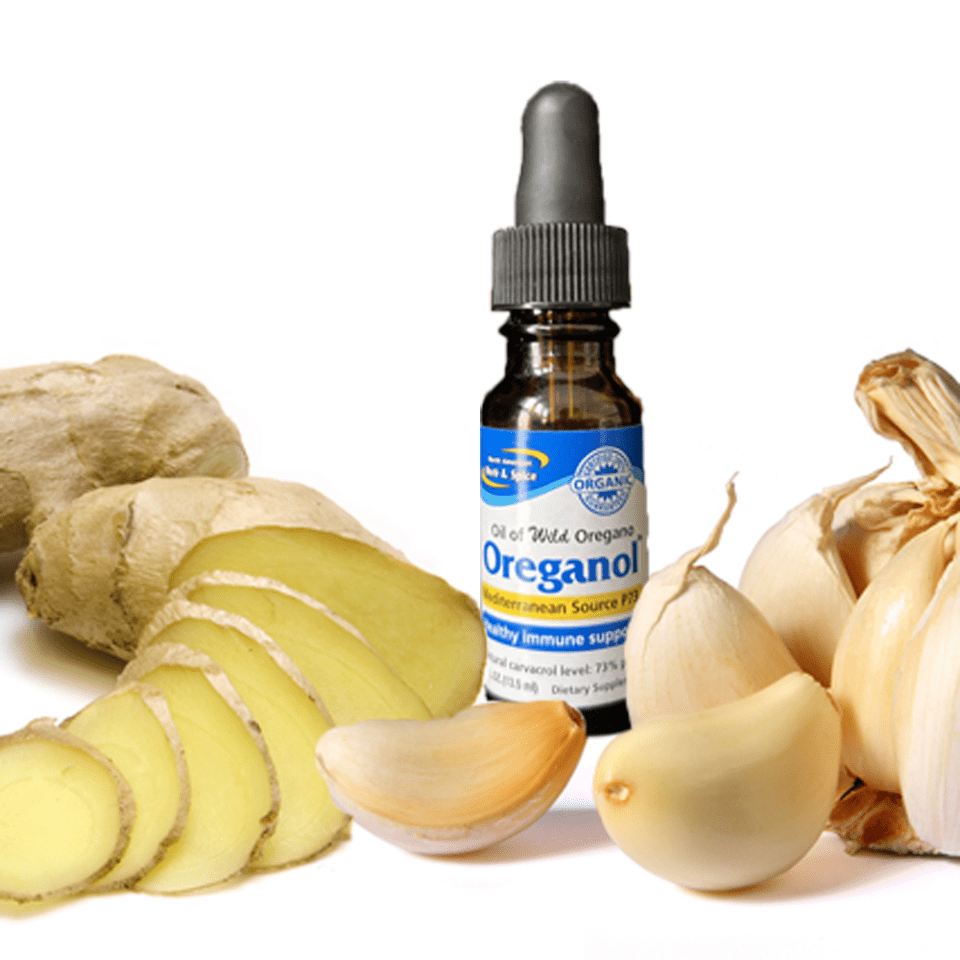
Oil of oregano is rich in carvacrol and thymol, compounds with antioxidant, antimicrobial, and anti-inflammatory properties. Applied to the skin in diluted form, it is being studied for wound healing, acne, and skin aging.
Laboratory studies show many potential benefits, including activity against bacteria, fungi, and parasites, and against viruses such as HIV and the virus that causes COVID-19. These were test-tube and animal studies, not human trials, so oil of oregano should never replace medicine for an infection. Always dilute it; the concentrated oil can burn the mouth and skin.
Avoid oil of oregano if pregnant
Women who are pregnant or trying to become pregnant should avoid oil of oregano, because there is some evidence it may increase the risk of miscarriage. Always stay on the safe side when pregnant.
The precision medicine connection
Precision medicine asks how a remedy fits your health and your medicines. For African Americans, these three herbs have one clear role and two cautions.
1. The best use: flavor without salt
High blood pressure starts earlier and is more severe in African Americans, and many of us are salt-sensitive. Garlic, ginger, and oregano add big flavor to greens, beans, chicken, and fish with no sodium. Cooking with them in place of salt, salt pork, and seasoning packets may do more for your blood pressure than any capsule.
2. Supplements can interact with common medicines
Concentrated garlic, ginger, and oregano supplements can slow blood clotting, so check with your doctor if you take warfarin, aspirin, clopidogrel (Plavix), or another blood thinner, and stop them 7 to 10 days before surgery. All three may lower blood sugar and can add to diabetes medicines. Garlic supplements can also lower blood levels of some HIV medicines, an important point since Black Americans account for the largest share of new HIV diagnoses. Amounts used in cooking are not the concern.
3. Natural does not mean regulated
Herbal supplements and oils are not reviewed by the FDA for safety or effectiveness, and their strength varies from bottle to bottle. If you have kidney disease, which is more common in our community, or liver disease, or take several prescription medicines, ask your doctor or pharmacist before adding any herbal supplement.
These are the kinds of differences covered in Better Black Health, written for patients and families, and Precision Medicine for African Americans (Springer Nature), written for clinicians.
The bottom line
Use garlic, ginger, and oregano generously in your cooking. Ginger is a good choice for nausea. Treat supplements and oils as helpers, not replacements for medicine, and check with your doctor before starting them, especially if you take blood thinners, diabetes medicine, or HIV medicine, or are pregnant.

Related Podcast Episode
Herbal Cures for Common Health Problems
In this episode:
Ginger Health Benefits Ginger and health benefits go hand in hand. Consuming ginger has been found to have numerous potential health benefits. It is known to have anti-inflammatory properties, aid in digestion, relieve nausea, and even help with pain relief.…