
Vitamin B2 (riboflavin) and African American health
Vitamin B2, also called riboflavin, helps the body turn food into energy. It is also needed to activate other B vitamins, including vitamin B6 and folate, and it supports healthy skin, eyes, nerves, and red blood cells (see the NIH fact sheet and this overview). Adults need about 1.3 mg a day (men) or 1.1 mg (women).
Many African Americans may get less riboflavin than they need because of what is missing from the plate. Milk is one of the richest sources of vitamin B2, but lactose intolerance is common in our community, and many of us avoid dairy. Liver is also very high in vitamin B2, but seriously, who still eats liver regularly?
Riboflavin and the brain is an active area of research. Studies of older adults have linked low riboflavin intake to weaker scores on memory and thinking tests, but those studies show an association, not proof that riboflavin improves memory.
Signs of vitamin B2 (riboflavin) deficiency
Severe riboflavin deficiency is uncommon in the U.S., but low intake shows up in recognizable ways:
- Cracks or sores at the corners of the mouth and cracked lips
- A sore, red, or swollen tongue and sore throat
- Scaly, irritated skin around the nose and mouth
- Red, itchy, or light-sensitive eyes
- Fatigue and, over time, anemia
People at higher risk include those who eat little dairy or meat (including vegans), pregnant women, and people with thyroid problems, since thyroid hormone helps the body activate riboflavin.
What foods are rich in vitamin B2 (riboflavin)?
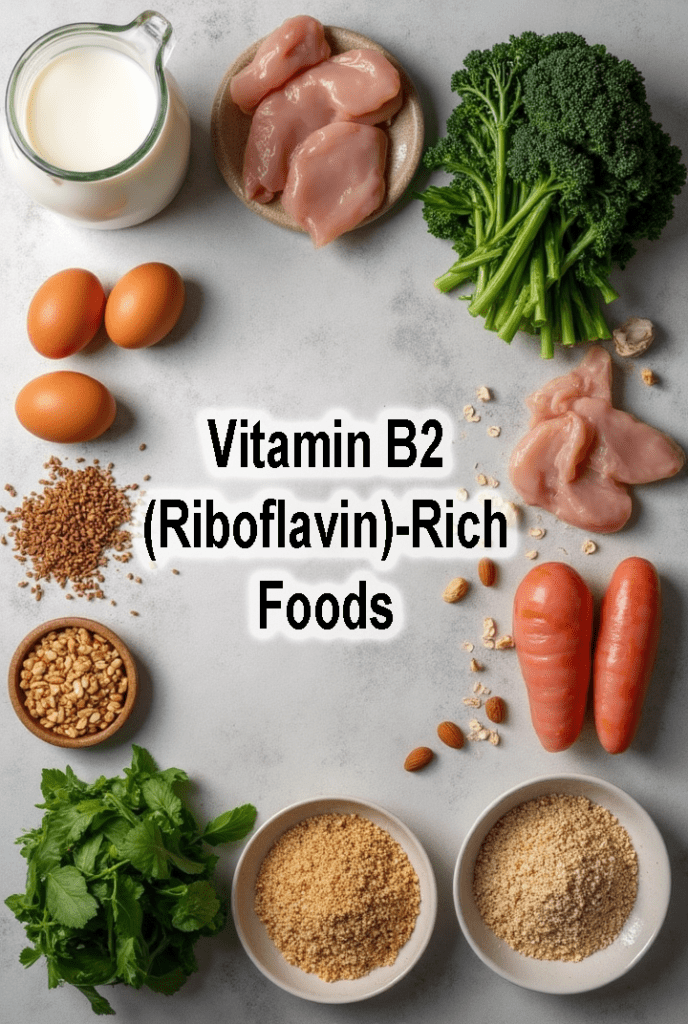
Good sources include milk, yogurt, and cheese; eggs; lean meats like chicken, turkey, and beef; fish; mushrooms; almonds; spinach; and fortified cereals and breads. Yogurt is often easier to tolerate than milk for people with lactose intolerance.
The precision medicine connection
Precision medicine asks how a nutrient works in your body. For riboflavin, three points matter for African Americans.
1. Riboflavin depends on our dairy choices
Most adults of African ancestry lose much of the ability to digest lactose after childhood. When milk leaves the diet, riboflavin, calcium, and vitamin D often go with it. Replacing milk with yogurt, kefir, lactose-free milk, eggs, and fortified foods closes that gap.
2. The standard riboflavin blood test does not work with G6PD deficiency
The main lab test for riboflavin status (the erythrocyte glutathione reductase activity coefficient, or EGRAC) cannot be used in people with G6PD deficiency, an inherited condition present in about 10% of African Americans, according to the NIH Office of Dietary Supplements. If your doctor is checking riboflavin and you have G6PD deficiency, ask about a different test.
3. A gene–vitamin link that mostly affects other groups
In people with two copies of a common MTHFR gene variant (677TT), riboflavin supplements have lowered blood pressure in clinical trials, because riboflavin helps the MTHFR enzyme work. This variant is common in people of European and Hispanic ancestry but rare in people of African ancestry. It is a good example of why precision medicine matters: a nutrient that helps one group’s blood pressure may do little for another’s, and Black patients need research of our own.
Riboflavin is very safe. The body does not store extra, which is why high doses turn urine bright yellow, and there is no known upper limit. Doctors sometimes prescribe 400 mg a day to help prevent migraines.
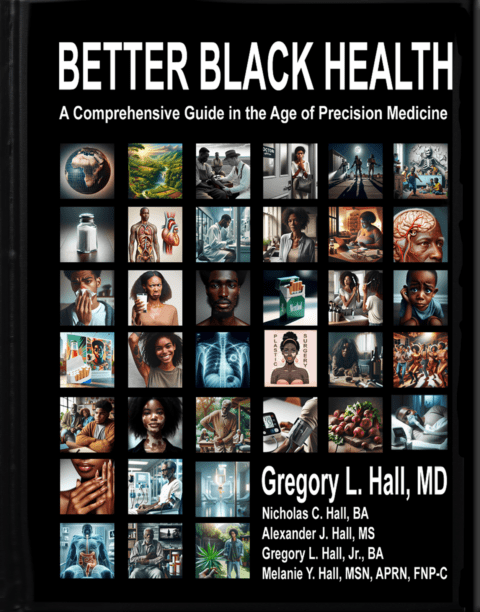
These are the kinds of differences covered in Better Black Health, written for patients and families, and Precision Medicine for African Americans (Springer Nature), written for clinicians.
GNetX Sequence has what you need
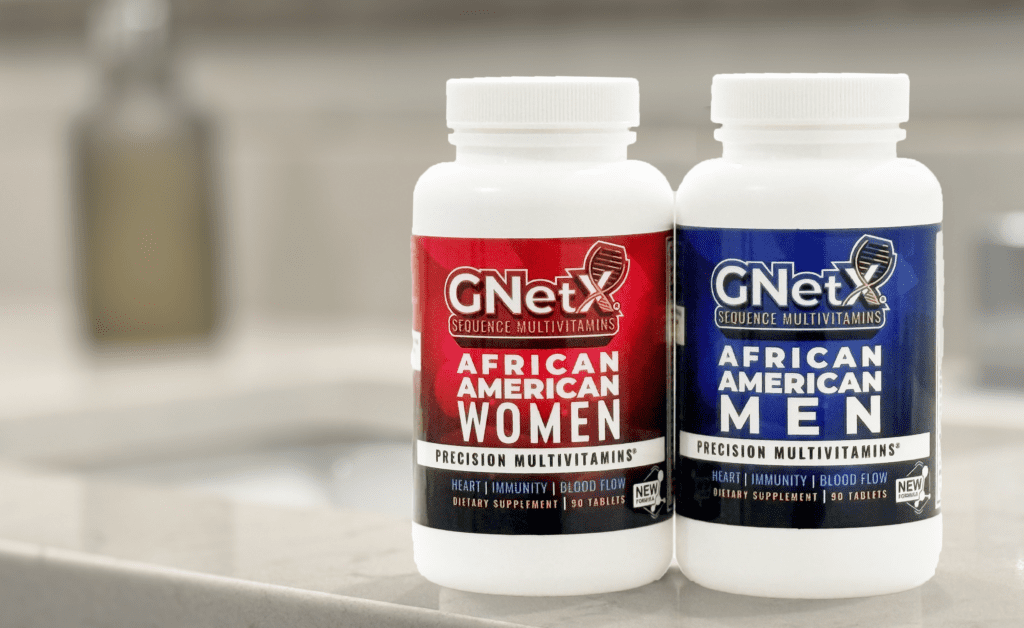
GNetX Sequence Multivitamins for African Americans supply over 150 percent of the riboflavin recommended by the FDA. A recent study of older U.S. adults linked higher riboflavin intake to better cognitive test scores and concluded, “Adequate vitamin B2 intake could help protect cognitive function.” Providing the vitamins and minerals you need in a tailored supplement is a precision approach to everyday nutrition.

Related Podcast Episode
Our Genetics: Prof Constance Hilliard Explains Health Disparities, Salt, & Cancer Risks
In this episode:
Better Black Health with Dr. Greg Hall welcomes Constance B. Hilliard, PhD. This Harvard-trained professor of African history may have found the elusive reason for many of the health disparities we see in the US. She explains salt sensitivity, kidney…