
What is vanadium?
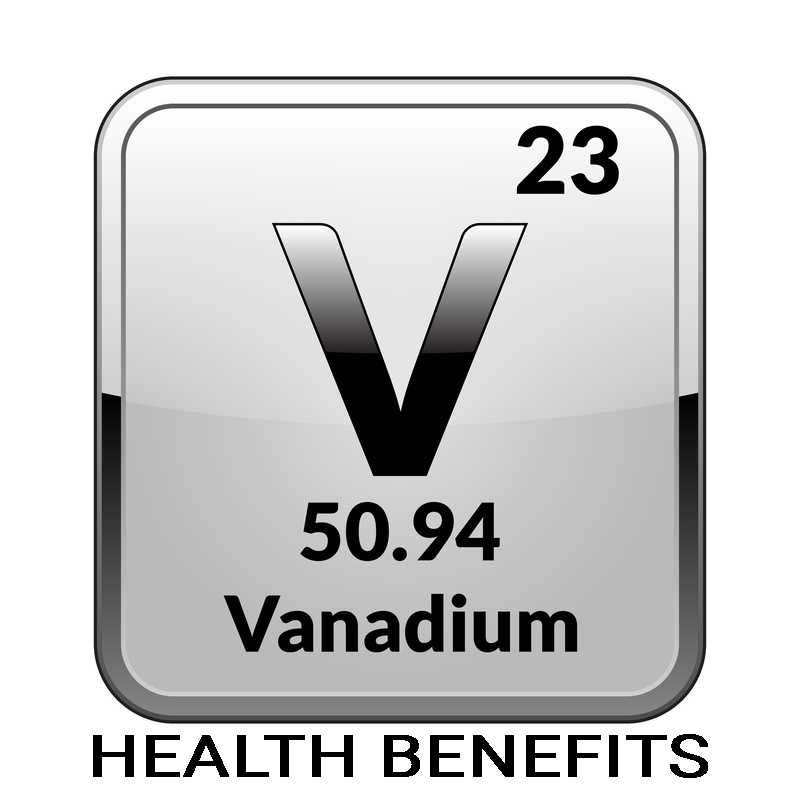
Vanadium is a trace mineral found in small amounts in foods such as mushrooms, shellfish, black pepper, parsley, and whole grains. It is sold as a supplement, usually as vanadyl sulfate, and marketed for blood sugar control because in the lab it can act a little like insulin. For decades, researchers have studied vanadium compounds as possible diabetes drugs. My patients who are newly diagnosed with diabetes sometimes ask whether they can take vanadium instead of medicine. Here is what you should know before you buy it.
Why vanadium is marketed to people with diabetes
African Americans have higher rates of type 2 diabetes and more diabetes complications, so a cheap, natural-sounding pill for blood sugar is appealing. In animal studies, vanadium lowers blood sugar: in one rat study, vanadyl sulfate normalized blood sugar and helped insulin-making cells recover. But rats are not people, and the doses used in animals would be toxic for humans.
What the human research shows
A systematic review of vanadium for type 2 diabetes found only five small human trials worth analyzing, using 30 to 150 mg a day. They showed some drop in blood sugar, but the studies were poor quality, and the reviewers concluded there is “no rigorous evidence” that vanadium improves blood sugar control and that its routine use “cannot be recommended” (QJM, 2008). There is no good human evidence that vanadium lowers cholesterol, blood pressure, heart disease, or cancer risk.
Just because you can buy it without a prescription doesn’t mean it’s safe
The safe upper limit for vanadium is just 1.8 mg a day for adults. The doses used in diabetes studies supplied many times that amount, and stomach cramps, nausea, and diarrhea were common. High doses of vanadium have also been linked to nervous system toxicity and kidney damage. Vanadium supplements are not reviewed by the FDA for safety or effectiveness, so the purity and amount in a bottle can vary.
The precision medicine connection
Precision medicine asks how a treatment fits your body. For Black patients with diabetes, three points matter more than any supplement.
1. Your kidneys clear vanadium
Vanadium is removed from the body mainly by the kidneys. Black Americans are more than three times as likely as White Americans to develop kidney failure, and diabetes is a leading cause. A supplement that can build up and damage the kidneys is a poor choice for the people most likely to have kidney disease, often without knowing it. Ask your doctor to check your kidney function (eGFR and urine albumin) every year.
2. Your A1c may read differently
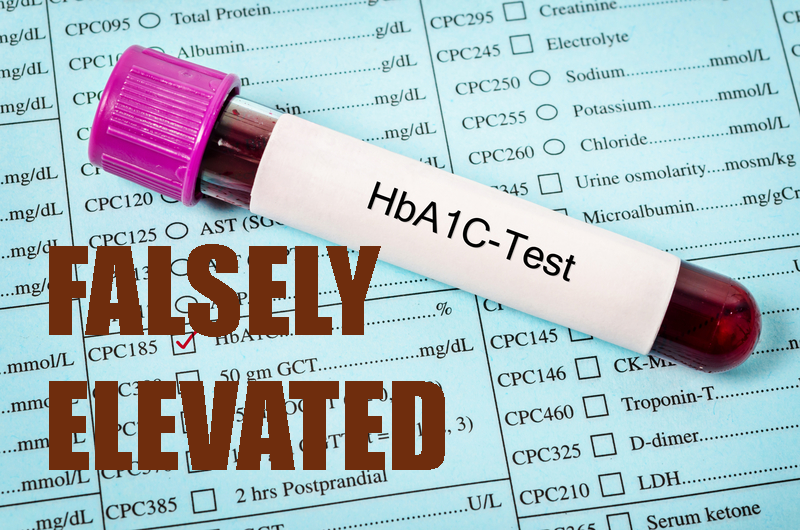
In a study using continuous glucose monitors, Black adults with diabetes had A1c results about 0.4 points higher than White adults with the same average blood sugar (Annals of Internal Medicine, 2017). Sickle cell trait and other hemoglobin differences can also throw off the test. If your A1c does not match your home readings, ask about a continuous glucose monitor or other tests before adding medicine or supplements.
3. Proven treatments may work even better for us
Metformin, the inexpensive first-line diabetes medicine, lowered A1c about twice as much in African Americans as in White patients in a large Detroit study. Newer medicines such as GLP-1 drugs and SGLT2 inhibitors also protect the heart and kidneys. These have been tested in thousands of people; vanadium has not. See my article on metformin intolerance in African Americans for tips on taking it comfortably.
These are the kinds of differences covered in Better Black Health, written for patients and families, and Precision Medicine for African Americans (Springer Nature), written for clinicians.
Always consult your doctor
Talk with your doctor before taking vanadium or any supplement for blood sugar, and never stop or replace your diabetes medicine on your own. The small amounts of vanadium in food and in a standard multivitamin are not the concern; high-dose vanadium supplements are. Remember, just because you can buy something without a prescription doesn’t mean it is safe.

Related Podcast Episode
Guest Michael Oatman Discusses His Struggles with Diabetes, High Blood Pressure, & Sleeping Problems
In this episode:
Playwright, author, director, artist, Michael Oatman discusses his health problems including a stroke, diabetes, high blood pressure, and chronic insomnia. His comical edge and open honesty provides a rare look into these common ailments from a patient's perspective.