

African Americans have the worst heart and stroke outcomes of any group in the United States. African Americans are at higher risk than white Americans for heart disease, as shown by:
- About twice the risk of a first stroke
- Higher rates of heart failure, often at younger ages
- High blood pressure in about 6 in 10 Black adults (62% of men and 59% of women)
- Blood pressure under control in only about 1 in 5 Black adults who have it
- Higher rates of diabetes
High blood pressure, or hypertension, is a serious health concern, particularly for African Americans. We have the highest rate of high blood pressure in the country, and it is among the highest in the world. Researchers have done many studies to learn why our heart disease is so severe, and they believe uncontrolled high blood pressure is a main reason. High blood pressure raises the risk of heart attack, heart failure, stroke, and kidney disease.
Even slightly higher blood pressure is a problem
Even a small rise in blood pressure can significantly increase your risk of heart disease. Starting at a blood pressure of 115/75, the risk of dying from heart disease or stroke doubles with every 20/10 increase. Today, high blood pressure is present in more than half of Black men and women.
Along with age and family history, common risk factors for high blood pressure include being overweight, your income and neighborhood, and lifestyle factors like physical activity, diet, and smoking.
Some of our problem is stress!
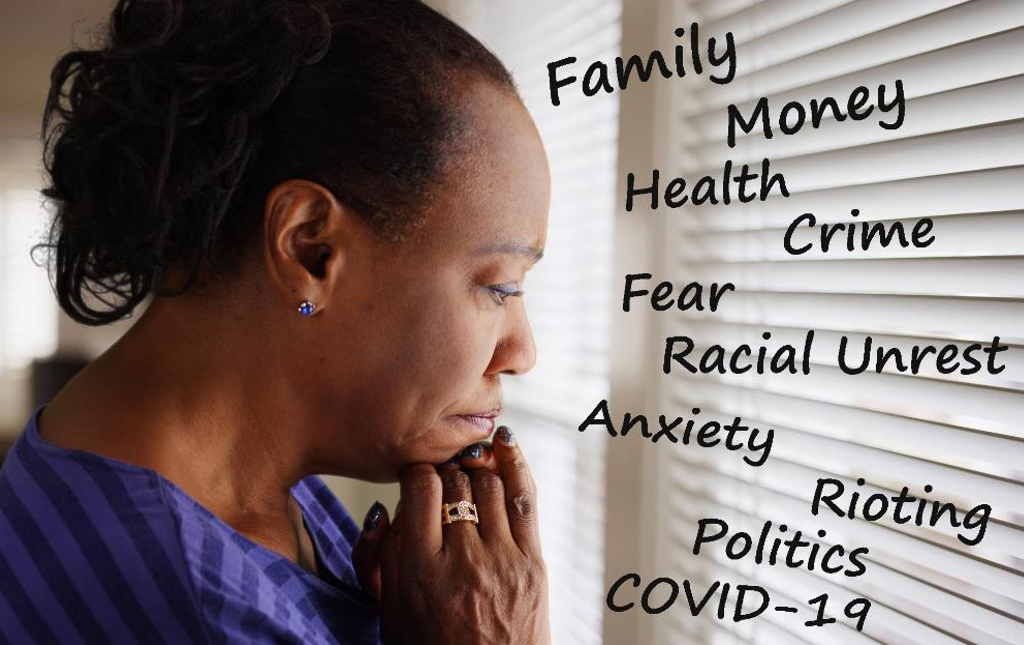
A study by Deborah Rohm Young and colleagues of more than 4 million adults in 10 health systems found that Black adults had almost double the odds of high blood pressure compared with white adults, at every weight level and in every type of neighborhood, from the least to the most educated. To me, this points to the stress of oppression as a driving force for heart disease in Black Americans, rich and poor, educated and uneducated, rather than poverty, lack of insurance, or poor education alone. The study supports a striking conclusion: even African Americans living in wealthy suburbs, with more income and better access to healthy food and exercise, can’t escape a much higher risk of high blood pressure.
Salt is really bad for you
Research on why high blood pressure is so common in African Americans has focused heavily on salt sensitivity. In a study led by Jackson T. Wright Jr., MD, salt sensitivity was about as common in Black women as in white women. But among women who already had high blood pressure, a high-salt diet raised blood pressure more in African American women. Watching your salt is a great first step to lowering your blood pressure and your risk of heart disease.
Check your own blood pressure

Checking your blood pressure regularly with a home monitor is an excellent way to make sure your medicine is working. The 2025 blood pressure guidelines set a goal of under 130/80 for most adults, and a top number under 120 is even better if your doctor agrees. Measure your blood pressure regularly and keep track of your readings to keep your risk of heart attack and stroke as low as possible. Read more about the best blood pressure medicines for African Americans.
The precision medicine connection
Heart disease in Black Americans is not only about lifestyle. Some of the most important risks are written in our genes, and some treatments work better for us. Here is what to know.
1. Know your Lp(a)
Lipoprotein(a), or Lp(a), is an inherited type of cholesterol that raises the risk of heart attack and stroke. Diet and exercise barely change it. Levels are highest in people of African ancestry, yet few Black patients are ever tested. The National Lipid Association recommends that every adult have Lp(a) measured at least once. Ask for it with your next cholesterol test.
2. A heart failure treatment proven in Black patients
In the African-American Heart Failure Trial, adding a combination of isosorbide dinitrate and hydralazine (BiDil) to standard treatment cut deaths by 43% in Black patients with weakened hearts. Guidelines recommend it for African Americans with this type of heart failure, but it is often left out. If you have heart failure, ask whether it’s right for you.
3. Hidden genetic causes of heart and kidney disease
About 3 to 4 percent of African Americans carry the TTR V122I variant, which can cause cardiac amyloidosis, a treatable form of heart failure often mistaken for ordinary heart failure. Carpal tunnel syndrome can be an early clue. About 13 percent of African Americans carry two high-risk APOL1 variants, which raise the risk of kidney failure, especially with high blood pressure. Ask your doctor whether genetic testing makes sense for you.
4. Know the safety limits
BiDil and nitroglycerin contain nitrates. Never take them with erection medicines like Viagra or Cialis, because together they can drop your blood pressure dangerously. Don’t stop or change any heart or blood pressure medicine without talking to your doctor. And call 911 right away for chest pain, sudden weakness or numbness, trouble speaking, or a drooping face.