

Bacterial vaginosis is not a classic STD, but sex plays a role
Bacterial vaginosis (BV), often called bacterial vaginitis, is an imbalance of the bacteria that normally live in the vagina. In a national survey of women ages 14 to 49, about 29% of US women had BV when tested. Black women had the highest rate at 51%, compared with 32% of Mexican American women and 23% of white women. Only about 16% of women with BV noticed any symptoms.
BV is not a traditional sexually transmitted disease (STD), and it can happen without sex. But it is more common in women with new or multiple sexual partners and when condoms aren’t used. New research shows how closely sex and BV are connected. In a 2025 study in the New England Journal of Medicine, treating a woman’s male partner along with her cut the chance of BV coming back within 12 weeks from 63% to 35%. In October 2025, the American College of Obstetricians and Gynecologists began recommending partner treatment for women whose BV keeps returning.
Having BV also raises a woman’s risk of catching an STD. The imbalance makes it easier to acquire gonorrhea, chlamydia, herpes, and HIV. BV can also lead to endometritis, urinary tract infections, pelvic inflammatory disease (PID), and preterm (premature) labor and delivery.
Vitamin D and zinc deficiency
Vitamin D deficiency, which is widespread in African Americans, has been linked to the high rates of bacterial vaginosis, and correcting it is an easy and healthy step. In a randomized trial, women with low vitamin D and BV without symptoms who took 2,000 IU of vitamin D daily for 15 weeks were far more likely to clear their BV than women given a placebo. Zinc deficiency has also been associated with BV. Regular multivitamins often don’t provide enough vitamin D or zinc for African Americans. GNetX Sequence Multivitamins for Women were formulated with these needs in mind.
When to suspect bacterial vaginosis
Something “fishy” is going on
Bacterial vaginosis is relatively easy to identify. It has a characteristic “fishy” odor along with a thin white or gray discharge. The odor is often most noticeable after sex. It can start slowly and progress as the harmful bacteria increase in number. Still, most women with BV have no symptoms at all. The bacterial balance is tied to the vagina’s acid level, or pH. A healthy vagina is acidic, with a pH of about 3.8 to 4.5. With BV, the pH rises above 4.5. One common cause of a higher vaginal pH is douching.
No douching
Douching, or “rinsing out the vagina,” is strongly discouraged because it easily disrupts the vaginal pH and the normal bacteria. When the vagina becomes less acidic, other bacteria thrive, and everything is thrown off. Then comes the fishy odor. Ironically, some women notice the odor and douche to clean it out, but that makes the situation worse. BV usually causes little itching or pain. If you have significant itching, burning, or irritation, see your clinician to check for a yeast infection, trichomoniasis, or another cause.
Isn’t bacteria a bad thing?
Bacteria are not always a bad thing. Humans have normal bacteria in our digestive system that help digest the food we eat. Imbalances in gut bacteria can cause diarrhea, abdominal pain, bleeding, and more. A woman’s vagina is also home to bacteria that keep the environment healthy and working properly.
As surprising as it may sound, researchers have found that the vaginal bacteria of Black women differ, on average, from those of white women. In a landmark study of 396 healthy women, communities dominated by protective Lactobacillus bacteria were found in about 90% of white women but only about 62% of Black women. Black women’s average vaginal pH was also higher. Many of these women were perfectly healthy, so this pattern is not a disease by itself. But it may help explain why BV is more common in Black women.
Bacterial vaginosis, HIV and vitamin D deficiency
A study of women in Chicago and New York found that vitamin D deficiency was linked to BV among women living with HIV. African American women are especially prone to vitamin D deficiency. Another study found a higher risk of BV in pregnant women with low vitamin D levels.

Research has shown that people with poor nutrition tend to have more infections overall, and poor nutrition is now considered a risk factor for bacterial vaginosis. Women appear more likely to get BV if they have lower blood levels of nutrients like vitamin D, vitamin C, zinc, and beta carotene, which suggests a lower intake of fruits and vegetables.
“You are what you eat”
The old saying “you are what you eat” is more accurate than many of us thought. A 2022 study compared the diets of 144 women newly diagnosed with BV with those of 151 healthy women. Women whose eating fit an “unhealthy diet” pattern had the highest rate of bacterial vaginosis.
Getting the right amount of vitamins and minerals from a diet rich in fresh fruits and vegetables is critical to a healthy immune system. For bacterial vaginosis, researchers believe poor nutrition and vitamin deficiencies are important factors.

The precision medicine connection
BV is a clear example of why one-size-fits-all care falls short for Black women. Precision medicine looks at your biology, your genes, and your environment to guide care. Here is how it applies to BV.
1. Your vaginal microbiome has a “type”
Scientists group vaginal bacteria into “community state types.” The type with few Lactobacillus bacteria is more common in Black and Hispanic women. Newer molecular (DNA-based) BV tests measure the specific bacteria present, and CDC treatment guidelines accept them for diagnosis. Treatments that restore protective bacteria are also coming. In a 2020 trial, a vaginal product containing live Lactobacillus crispatus lowered BV recurrence to 30%, compared with 45% on placebo. It is not yet FDA approved.
2. Your genes and your vitamin D test
Variants in the GC gene, which makes vitamin D binding protein, differ in frequency by ancestry. The Gc1F form is more common in people of African ancestry. A 2013 study suggested that Black Americans’ lower vitamin D levels were offset by lower binding protein. Later research found that this difference was partly an artifact of the lab test used. The takeaway: the standard 25-hydroxyvitamin D blood test is still the best measure, and your clinician should interpret it in light of your overall health.
3. Treat the couple, not just the woman
BV comes back in more than half of women within a year of treatment. For women with recurring BV and a regular male partner, treating the partner with an oral antibiotic and a skin cream roughly halved the chance of BV returning. Ask your clinician whether partner treatment makes sense for you. This matters even more in pregnancy. BV is linked to preterm birth, and Black women have the highest preterm birth rate in the US, so pregnant women with symptoms should be tested and treated.
4. Know the safety limits
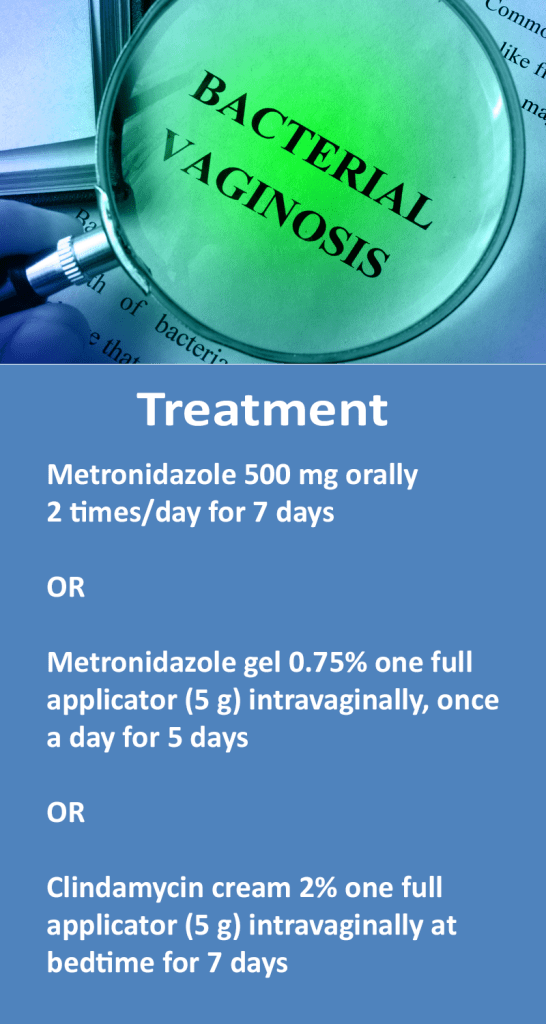
Antibiotics, not supplements, are the treatment for active BV. Take the full course, even if you feel better. Vitamin D supports your health, but more is not always better: the upper limit for adults is 4,000 IU per day unless your clinician prescribes more. Not every study agrees on vitamin D and BV. A US trial in mostly Black women found high-dose vitamin D did not prevent BV from returning, and a study of 1,459 young African American women found no link. Check your vitamin D level with your clinician rather than guessing.
To learn more, patients and families can read Better Black Health, and clinicians can see Precision Medicine for African Americans.
GNetX Sequence Multivitamins for African American women
GNetX Sequence Multivitamins were formulated to help correct deficiencies common in Black women, including vitamin D, zinc, and vitamin C. Most multivitamins were designed around the nutritional needs of white Americans, and research shows that Black Americans have higher rates of certain deficiencies, such as vitamin D.
A diet rich in fresh fruits and vegetables is key to preventing infections and imbalances in your body. Taking GNetX Sequence Multivitamins for African Americans once daily is a simple way to help fill nutritional gaps.
Related Podcast Episode
Hormone Disrupting Chemicals are Making Puberty Come Earlier and Making Us Fat
In this episode:
Dr. Greg Hall welcomes Dr. Essence Maston to discuss EDCs (Endocrine Disrupting Chemicals). Many of these chemicals are found in shampoo, lotions, conditioners, lipstick, makeup, moisturizers, sunscreens, creams, and much more. It is believed by some that the increase in…