
Uterine Fibroids and African American Women
Uterine fibroids disproportionately affect African American women, leading to a higher prevalence and more severe symptoms compared to other racial groups. This disparity can result in adverse health outcomes, such as increased rates of anemia due to heavy menstrual bleeding and a higher likelihood of undergoing surgical interventions like hysterectomy. The pain and disability associated with these benign (non-cancerous) tumors is far higher than many realize. Also, the presence of fibroids can impact fertility and pregnancy outcomes, further affecting the overall health and quality of life for African American women.
What are Uterine Fibroids?
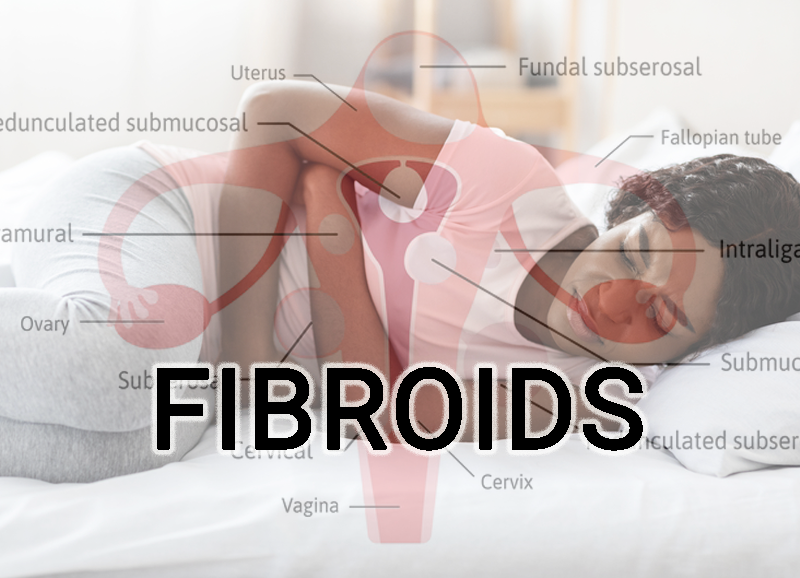
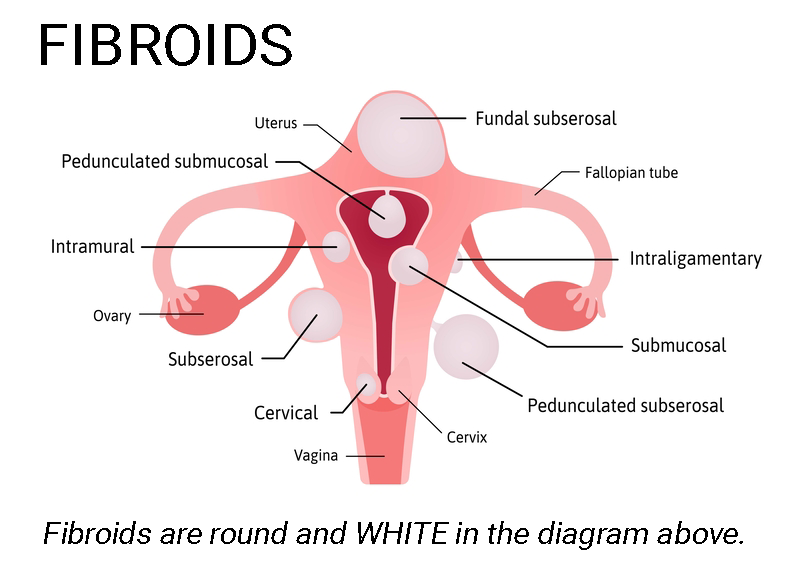
Uterine fibroids are non-cancerous growths that develop in or on the uterus. These tumors consist of muscle and fibrous tissue and can vary in size from very small to unbelievably large. The largest fibroid removed surgically was 140 pounds! Although they are typically benign, they can cause significant pain and discomfort, as well as other complications depending on their size and location. Uterine fibroids are typically diagnosed through a combination of pelvic examinations and imaging tests. Ultrasound is commonly used to visualize the fibroids and assess their size, number, and location. In some cases, additional imaging techniques like MRI may be employed to provide a more detailed evaluation, especially if surgical intervention is being considered.
Early diagnosis and treatment of uterine fibroids are crucial for minimizing these adverse health effects. By identifying fibroids at an early stage, healthcare providers can implement less invasive treatment options, potentially reducing the need for surgeries like hysterectomy. Furthermore, timely management can help preserve fertility and improve pregnancy outcomes, enhancing the overall quality of life for affected women.
What Leads to Uterine Fibroids?
While the exact cause of uterine fibroids remains unclear, several risk factors have been identified. These include a family history of fibroids, as genetic predisposition can significantly increase the likelihood of developing them. Hormonal factors such as elevated levels of estrogen and progesterone also play a crucial role, as these hormones promote the growth of fibroids. Additionally, lifestyle factors like obesity and a diet high in red meat and low in green vegetables have been associated with an increased risk of developing uterine fibroids.
Are We Diagnosing the Fibroids in Time?
Several factors contribute to the delayed diagnosis of uterine fibroids in African American women. These include a lack of access to healthcare services, cultural stigma surrounding gynecological issues, and potential biases in the healthcare system that may lead to underreporting or misdiagnosing of symptoms. Some Black women report being disregarded or blamed for “exaggerating” their symptoms. Addressing these barriers is essential to ensure timely diagnosis and effective treatment for those affected.
Implementing policies that increase access to affordable healthcare services is vital, ensuring that all women have regular gynecological check-ups. Additionally, healthcare providers should receive training to recognize and address potential biases, fostering a more inclusive and culturally sensitive healthcare environment. For these reasons, Black women tend to prefer Black gynecologists if they are available, as many biases by race are minimized. Public health campaigns that raise awareness about uterine fibroids and encourage women to seek medical attention for gynecological symptoms can also play a critical role in facilitating early diagnosis.
Newer Treatments for Fibroids
Newer treatments for uterine fibroids are being developed to improve patient outcomes and reduce the need for invasive procedures. One promising technology is MRI-guided focused ultrasound, which uses high-frequency sound waves to target and shrink fibroids without surgery. Additionally, advancements in robotic-assisted laparoscopic surgery have made it possible to remove fibroids with greater precision and shorter recovery times.
Always Talk to Your Doctor
Always talk to your physician about any symptoms you experience, as early detection can lead to more effective management of uterine fibroids. Consulting with a healthcare professional ensures that you receive personalized advice and treatment options tailored to your specific needs. Moreover, a doctor’s guidance can help you understand the potential risks and benefits of different treatment approaches, empowering you to make informed decisions about your health.
Bacterial vaginosis is also extremely common in African American women. Read more HERE.

Watch: 80% of Black Women Have Fibroids: How to Protect Your Fertility
Related Podcast Episode
Black Woman with a Vaginal Discharge
In this episode:
In this episode of Better Black Health, Dr. Greg Hall discusses a young patient with an embarressing vaginal discharge. Listen and see if you can guess the diagnosis. And then hear what we can do to decrease the rates of…