Topic: Precision Medicine for African Americans
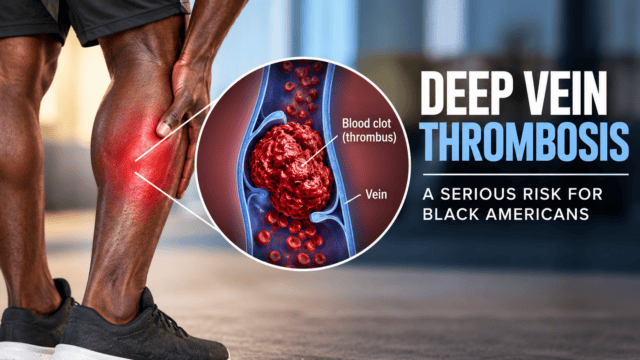
Blood Clots in the Hospital and After a Cancer Diagnosis: What Black Patients Aren’t Told
Black patients face a higher blood clot risk in the hospital and during cancer treatment — and it isn't random. Here's what the research shows, and how to advocate for yourself.
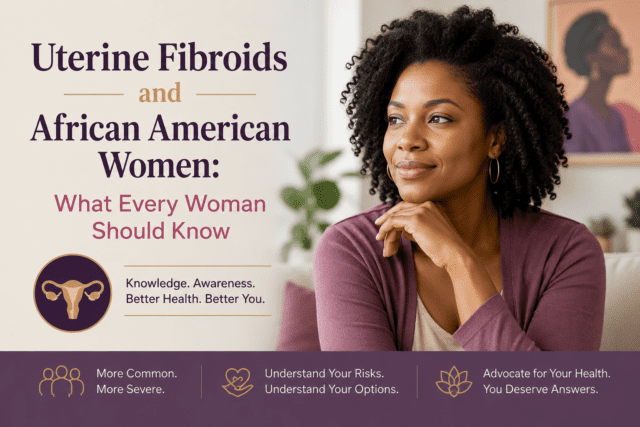
Uterine Fibroids and African American Women: What Every Woman Should Know
If you are a Black woman in your twenties, thirties, or forties, there is a very real chance that fibroids will become part of your life story — if they aren’t already. By age 50, an estimated 80% of African…

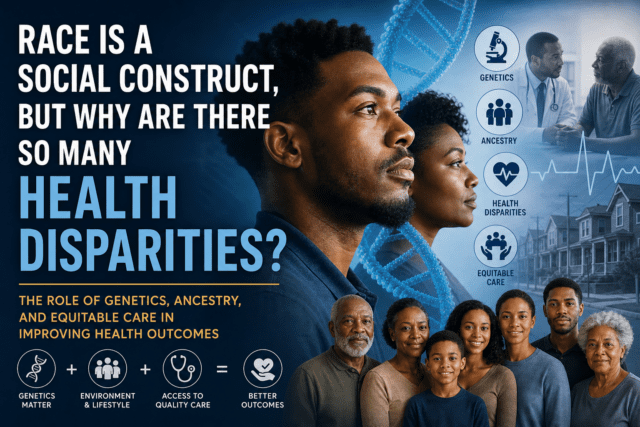
Why Do Health Disparities Exist If Race Is a Social Construct?
For years, we’ve heard a well-intentioned statement repeated in medicine and academia: “Race is a social construct.” At a high level, that statement is true. The genetic differences between humans are small—any two people’s DNA is about 99.6% identical.[1] But…
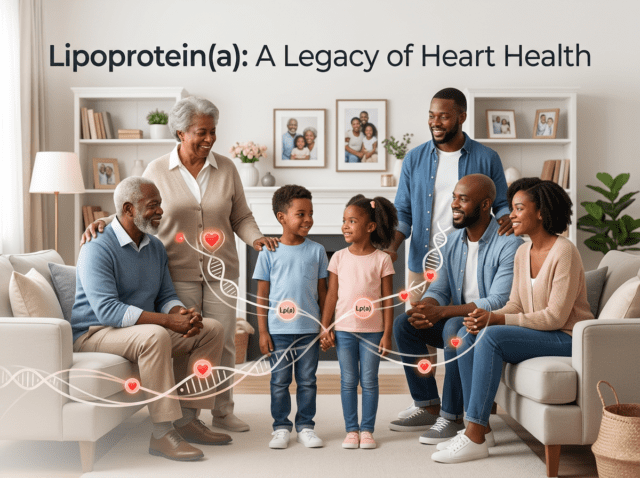
Lipoprotein(a): The Hidden Heart Risk That Hits Black Americans Hardest
A New Cholesterol Problem? When we talk about cholesterol and heart disease, most people have heard about LDL ("bad" cholesterol) and HDL ("good" cholesterol). But there is another cholesterol-related particle that deserves serious attention — especially in the Black community…
Flatbush Diabetes: The Overlooked Form of Diabetes Impacting Black Communities
Diabetes is often framed as either Type 1 or Type 2. But for many patients—particularly in Black communities—that binary framework misses an important and potentially dangerous condition: Flatbush diabetes, also known as ketosis-prone diabetes (KPD).[1] First recognized in the 1980s…
Vitamin K2, Vitamin D3, and Black Health: Why One-Size-Fits-All Supplement Advice Doesn’t Work
If you’ve spent any time online lately, you’ve probably seen someone promoting vitamin K2—usually alongside vitamin D3. Influencers call it the “missing link” for bone health. Supplement companies say it protects your heart. Some even claim everyone should be taking…
The Blood Type Diet: Is It Really “Precision Nutrition” for Us?
My patients often ask me what their blood type is. From my perspective, we only check this before surgery in case a transfusion is needed. Why do they ask? It’s usually a supplement they saw on social media or the…
Low Vitamin D in African Americans: A Precision Medicine Guide
African Americans have low vitamin D Vitamin D is acquired through diet and skin exposure to ultraviolet B light. The skin's production of vitamin D is determined by length of exposure, latitude, season, and degree of skin pigmentation. African Americans…
Vitamin B2 (Riboflavin) and African American Health: What It Does and Who Needs More
Vitamin B2 (riboflavin) and African American health Vitamin B2, also called riboflavin, helps the body turn food into energy. It is also needed to activate other B vitamins, including vitamin B6 and folate, and it supports healthy skin, eyes, nerves,…
Probiotics and African American Health: What Your Gut Bacteria Say About Your Risk
Probiotics and African American health Probiotics are everywhere, from yogurt aisles to supplement shelves. They may help digestion, and researchers are finding that the bacteria living in our gut may influence the risk of colon cancer, a disease that hits…