

Black men have erection problems too!
Erection problems, also called erectile dysfunction or ED, are common. In the landmark Massachusetts Male Aging Study, about half of men aged 40 to 70 had some degree of ED, and it became more common and more severe with age. In a national survey of men 40 and older, 24% of Black men reported ED, compared with 22% of white men, and the risk rose with diabetes, high blood pressure, and urinary problems. Erection problems can mean trouble getting an erection, keeping it, or reaching orgasm.
With all of the folklore about Black men and sexual performance, the truth is that Black men have erection problems at least as often as other men. Given the higher rates of heart disease, diabetes, high blood pressure, and prostate problems in Black men, that should be no surprise.
Research also shows that Black men are less likely to talk to their doctor about erection problems than white men. Culturally, this is a very sensitive issue that needs to be addressed, and I find there is a lot of false information. Prefer to listen? My podcast, “Erection Problems and Black Men,” is at the end of this article.
Young men too
Yes, young men can have erection problems too. Stress, anxiety, and depression can all contribute. Condoms, while important for preventing pregnancy and infections, can cause some men to lose their erection. A study of young Black men at STI clinics in three Southern cities found that about one in five had lost an erection while putting on a condom in the past two months.
Lifestyle choices such as smoking, heavy drinking, and lack of physical activity also play a big role. Health problems like diabetes, high blood pressure, and hormone imbalances can cause erection problems in younger men too. I’ve already written about the higher rates of high blood pressure, diabetes, and obesity in younger African Americans.
Vitamin D deficiency contributes to erection problems
I know you get tired of me tying everything to vitamin D deficiency, but if the research shows it, why keep ignoring it? A review in the journal Nutrients that combined eight studies of more than 4,000 men found that men with vitamin D deficiency had worse erectile function, especially those with severe ED. African American men (and women) have widespread vitamin D deficiency. Just bringing your vitamin D up to a normal level may have a big impact. Another study confirmed the connection between low vitamin D levels and erection problems.
If you have diabetes, which is very common in the Black community, low vitamin D makes erection problems worse, another study found. Vitamin D deficiency is also linked to a higher risk of cardiovascular disease, which is common in African American men. Taking vitamin D supplements can help reduce the risk of many common problems in the Black community.
Zinc helps too
Zinc deficiency and erection problems are also closely linked. Zinc plays an important role in making testosterone, the male hormone essential for sexual health and performance. Low zinc levels can lower testosterone and make erection problems worse.
The recommended daily amount of vitamin D varies by age and health. For most adults (studied in mostly white populations), the recommended amount is 600 to 800 IU (international units) a day. Research shows African Americans need 2,000 IU to maintain a normal level. Don’t go over 4,000 IU a day unless your doctor prescribes it, and check with your healthcare provider to find the right dose for you.
Physical activity has a huge effect
Regular physical activity improves blood flow, which is essential for getting and keeping an erection. Exercise also helps reduce stress and anxiety, two common mental causes of erectile dysfunction. Physical activity also helps with weight control and heart health, both vital for sexual health.
Diet plays a role too
A balanced diet plays an important role in sexual health. Foods rich in antioxidants, healthy fats, and essential vitamins can improve blood flow and hormone balance. Fruits, vegetables, whole grains, and lean proteins support overall health and lower the risk of erectile dysfunction.
It could be all in your head
Erectile dysfunction in Black men can be influenced by many factors, including health conditions like diabetes and high blood pressure, which are more common in Black men. Money worries and stress can also play a big role.
These issues can create a negative cycle where the fear of losing an erection makes the problem worse. That can lead to lower sexual confidence and avoiding sex altogether.
DHEA
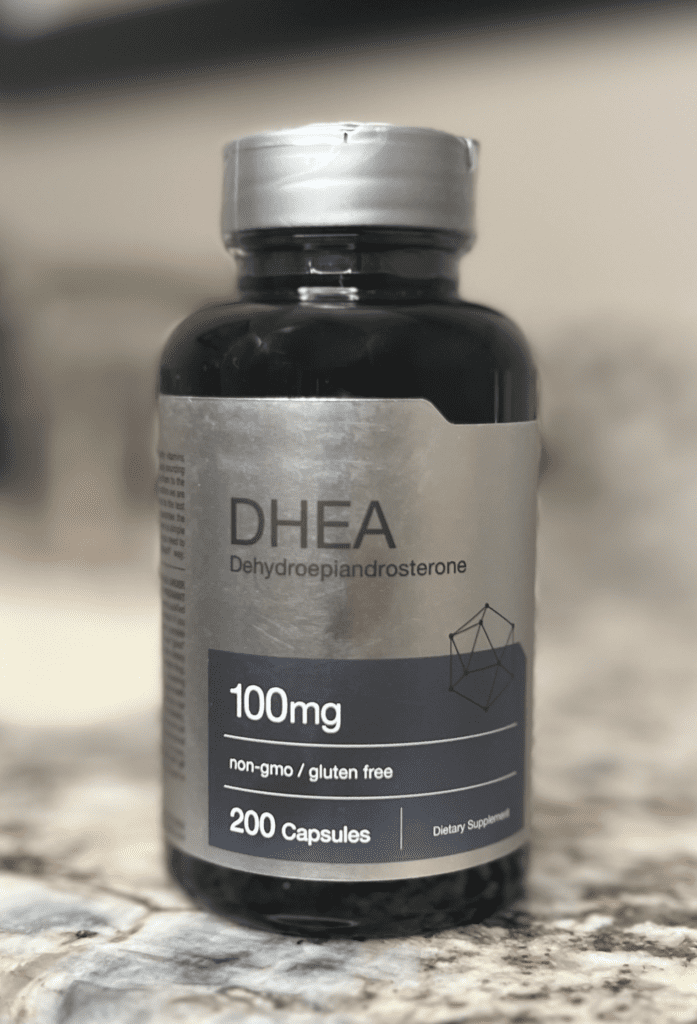
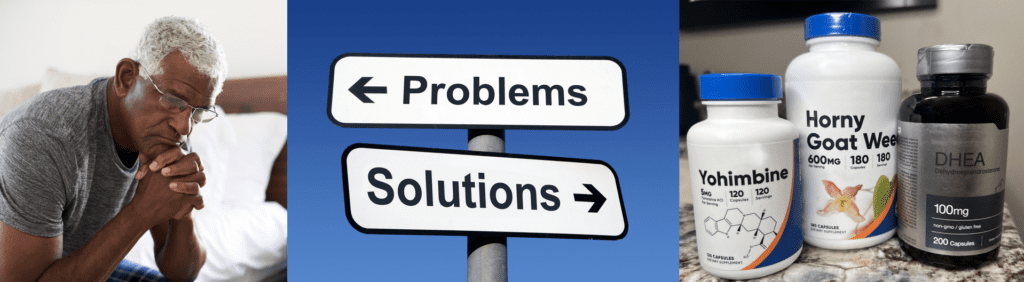
DHEA (dehydroepiandrosterone) is a hormone made by the adrenal glands. As a supplement, it has been tried for menopause symptoms and depression, to improve athletic performance, and to boost energy. It may also help with erections. DHEA levels decrease with age, and many believe the gradual increase in erection problems with age is linked to this hormone.
Your DHEA levels are highest in your 20s and 30s and then decrease by about 10% every decade. So by your 70s, your levels are much lower than when you were young.
Be aware of the possible side effects of DHEA supplements. These include acne, hair loss, stomach upset, higher blood pressure, and menstrual changes in women. Because DHEA is a hormone, men with prostate cancer or a high PSA should avoid it. Check with your healthcare provider before starting DHEA to make sure it is safe for you.
L-citrulline, Viagra, and Cialis
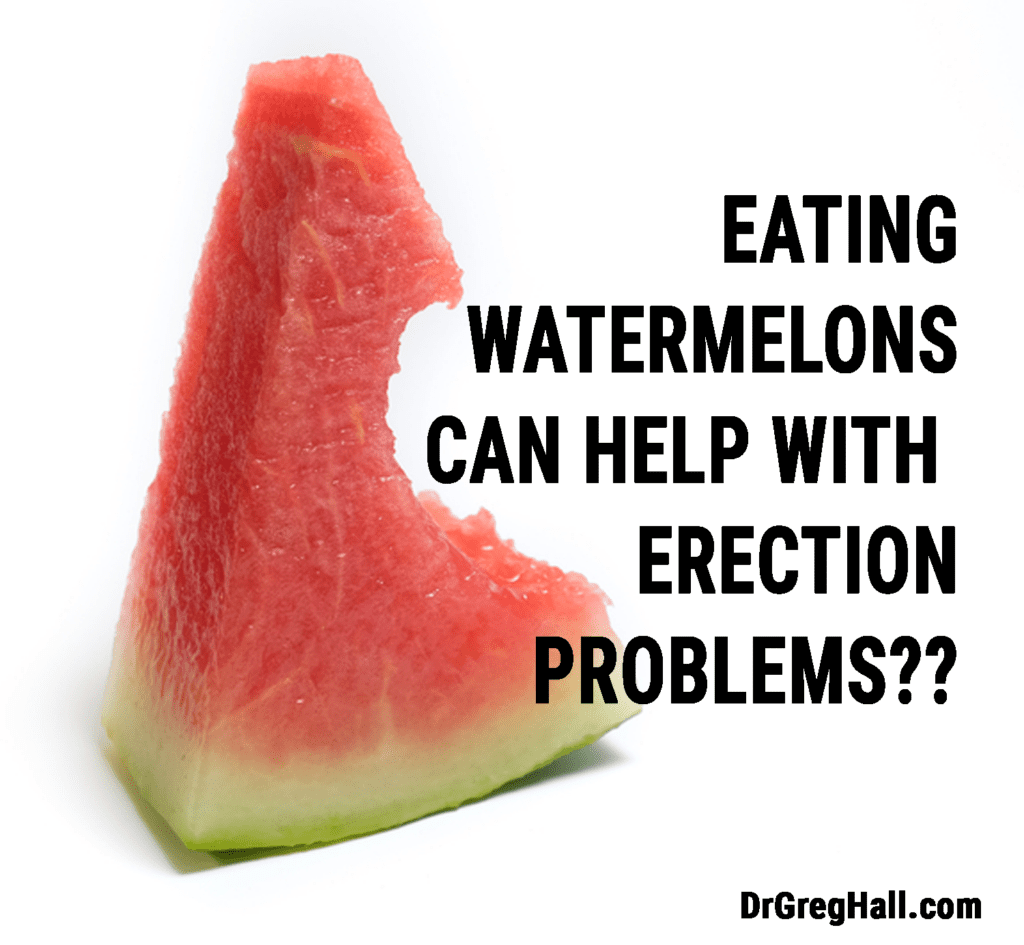
L-citrulline is an amino acid that helps reduce fatigue, improve athletic performance, and may help with erection problems. Watermelon is one of the richest natural sources of L-citrulline (who knew?), and it can increase blood flow to the penis. Other good sources include cucumbers, pumpkins, gourds, and squash. Adding these foods to your diet can help boost L-citrulline levels and support overall health.
L-citrulline helps increase nitric oxide levels, which improves blood flow and reduces inflammation throughout the body, including the penis. In a small study of men with mild ED, half of those taking L-citrulline reported firmer erections, compared with 8% on a placebo. Prescription medicines like Viagra and Cialis work on the same nitric oxide pathway: they block the enzyme that shuts erections down, so the nitric oxide signal lasts longer. Unlike those medicines, L-citrulline is available without a prescription, may have fewer side effects, and can be taken daily for overall blood vessel health. However, its effects are milder and slower than prescription medicines, which are designed to work within a set time. Viagra is the brand name for sildenafil, which works faster but wears off in a few hours. Cialis, or tadalafil, starts more slowly but lasts up to 36 hours. Never take Viagra or Cialis with nitroglycerin or other nitrate heart medicines, because together they can drop your blood pressure dangerously. Check with your doctor to make sure they are right for you.
Possible side effects of L-citrulline include stomach upset, bloating, diarrhea, or nausea. Because it can lower blood pressure, people with low blood pressure or those taking blood pressure medicines should use it carefully. Always check with your healthcare provider before starting a new supplement.
Yohimbine may help
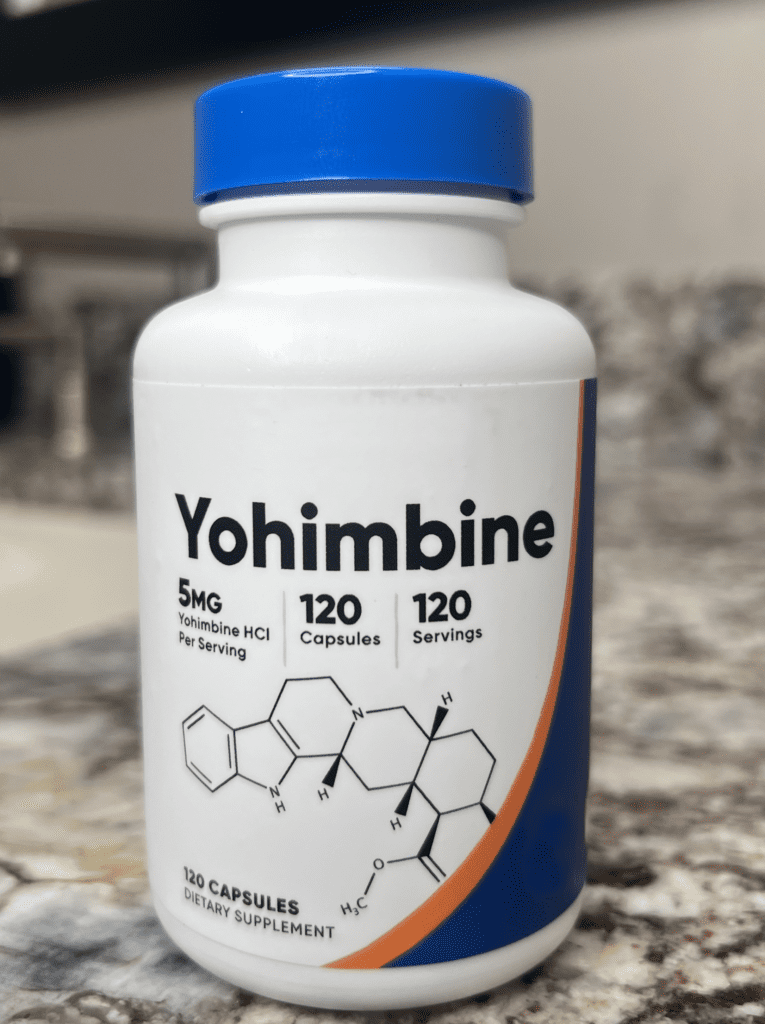
Yohimbine comes from the bark of the yohimbe tree, which is native to Africa, and it has long been used to treat erectile dysfunction. It works by blocking certain receptors, which helps improve blood flow to the penis and sexual performance. Be careful, though: yohimbine can raise blood pressure and heart rate and cause anxiety, so people with high blood pressure, heart disease, or anxiety should talk with their doctor first.
Given our African origins and genetic similarity, yohimbine might be a more natural choice for some Black men.
Horny goat weed
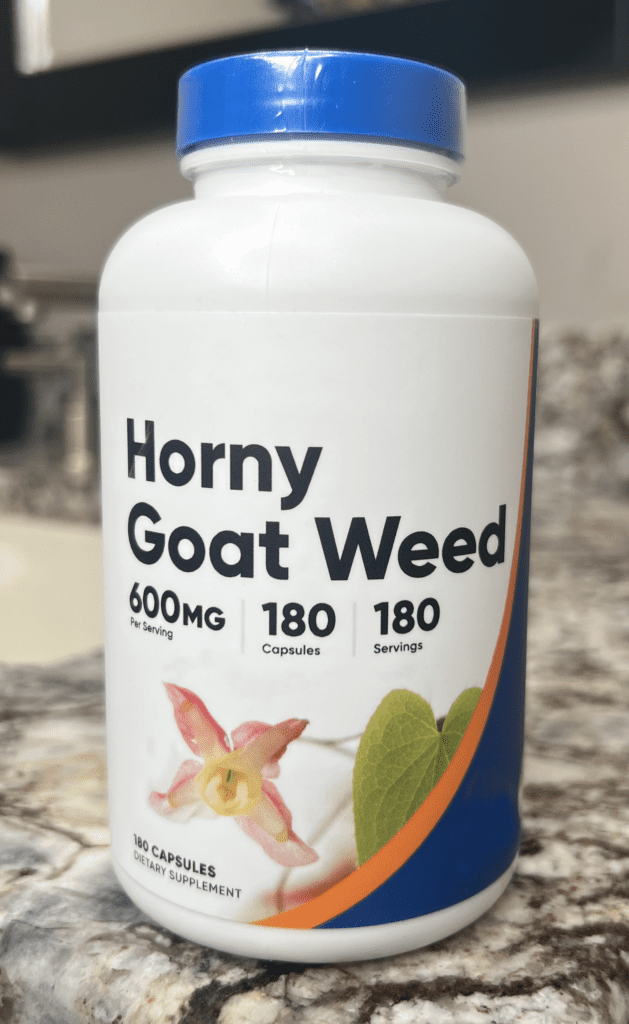
Horny goat weed, also known as Epimedium, has been used in traditional Chinese medicine for centuries. Please don’t ask where the name came from . . . but it does show promise. It has historically been used for fatigue, pain, and sexual problems such as low libido and erectile dysfunction. Its active compound, icariin, is believed to improve blood flow and sexual function, similar to yohimbine and L-citrulline, though most of the evidence comes from lab and animal studies.
Eat your “beet root”

Beet root has gained attention for its possible benefits for erectile dysfunction because of its high nitrate content, which the body turns into nitric oxide. This helps relax and widen blood vessels, improving blood flow throughout the body, including to the penis. There is no strong research showing it works as well as the other supplements I’ve listed, but it is certainly healthy, and it can’t hurt. The fact that beets can be traced back to ancient Africa (Egypt) may make this a better option for us. Beet root is also rich in antioxidants and other nutrients that support heart health, making it a natural option for sexual and athletic performance.
The precision medicine connection
In Black men, erection problems are rarely “just” about sex. They are often a signal from the blood vessels, the heart, the medicines you take, or your genes. Here is what to know.
1. Your erection is an early heart warning
The blood vessels in the penis are smaller than those in the heart, so they often show damage first. In a study of 300 men with coronary artery disease, two-thirds had erection problems first, an average of more than three years before their heart symptoms began. Black men have higher rates of high blood pressure and heart disease, so new erection problems should prompt a check of your blood pressure, cholesterol, and blood sugar.
2. Your blood pressure pill could be part of the problem
Many Black men take a thiazide water pill, which I recommend for blood pressure in African Americans. In the TOMHS trial, men on chlorthalidone had more erection problems at two years than men on placebo (17% vs 8%), though the difference faded by four years. Some beta-blockers can also play a role. Don’t stop your medicine, but ask your doctor whether a different dose or a combination with amlodipine or an ARB would work better for you.
3. Prostate health matters more for Black men
Black men are about 70% more likely to be diagnosed with prostate cancer and about twice as likely to die from it, according to the American Cancer Society. Prostate surgery and radiation are leading causes of ED. Men taking alpha-blockers for an enlarged prostate, such as tamsulosin or doxazosin, should space them from Viagra or Cialis to avoid dizziness from low blood pressure.
4. Know the safety limits
Men with sickle cell disease have a high risk of priapism, a painful erection that won’t go away. In one study, 36% had already had an episode. If you have sickle cell disease, talk with a hematologist or urologist before using any erection product. Any erection lasting more than four hours is an emergency. Also be careful with “male enhancement” products sold online or at gas stations: the FDA has repeatedly found hidden sildenafil and tadalafil in them, which can be dangerous for men taking nitrates.
To learn more, patients and families can read Better Black Health, and clinicians can see Precision Medicine for African Americans.