Some Black women love the Brazilian butt lift
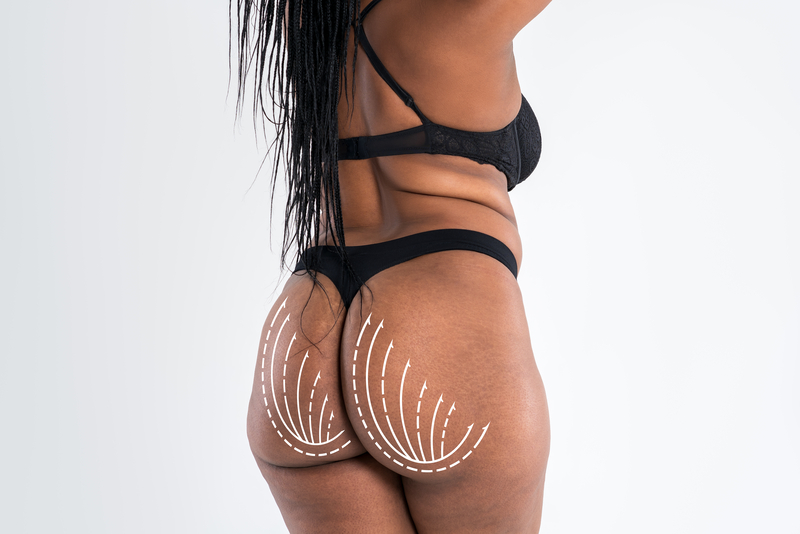
The Brazilian butt lift (BBL) has become especially popular among Black women, driven in part by celebrities, influencers and social media that promote the “thick ideal.” As a primary care physician, I have been asked by some of my patients whether they should go out of the country for cosmetic surgery, and I find Black women particularly interested in this surgery. Yet others find the surgery “anti-Black.” The core of this article is not the surgery itself, but whether leaving the country to have it is necessary or safe.
But the CDC warns
In 2024, the Centers for Disease Control and Prevention (CDC) reported that 93 U.S. citizens died after cosmetic surgery in the Dominican Republic between 2009 and 2022. Deaths surged from an average of about 4 a year before 2019 to 13 a year from 2019 to 2022, peaking at 17 in 2020. All but one were women, and their average age was 40. The CDC did not report the race of those who died, but given how popular the procedure is among Black women, our community has reason to pay attention. Following the report, the U.S. State Department updated its medical tourism advisory for the Dominican Republic.
What went wrong
When the CDC reviewed deaths from 2019 and 2020, every patient had liposuction, and almost all had a Brazilian butt lift, a fat transfer to the buttocks that makes them rounder and more prominent. Most had three procedures done in the same operation. More than half died within 24 hours. Nearly all deaths were caused by clots: fat that entered the bloodstream and traveled to the lungs, or blood clots in the lungs. Nearly all the women who died had overweight or obesity, which raises clot risk.
The surgery involves taking fat from one part of the body and injecting it into the buttocks. If the fat is injected into or below the muscle, it can enter large veins and travel to the lungs. A 2017 surgeons’ task force estimated that as many as 1 in 3,000 BBLs ended in death, which made it one of the deadliest cosmetic procedures. Safety guidelines now call for injecting fat only into the layer under the skin, above the muscle, and Florida, a U.S. center for BBLs, has required ultrasound guidance since 2023. These steps appear to lower the risk, but they only help if your surgeon follows them.

The United States has excellent physicians and hospitals, so I don’t see a good reason to leave the country for this kind of surgery. That said, deaths have also happened in poorly run offices here at home, so check credentials wherever you go.
Low accountability
Most people are attracted by the low price of the procedure overseas. Unfortunately, there can also be low accountability overseas, and fewer resources for treating complications. When people die, it is from a surgical complication, such as a clot or an infection. The CDC also warns that flying soon after surgery raises the risk of blood clots, so a long flight home just days after a BBL adds danger.
Also, the laws that oversee medical care in the United States do not travel easily to the Dominican Republic. Therefore your recourse after having a complication after one of these surgeries is not very good.
Overall, my recommendation is to stay in the United States for any surgery that carries a higher risk of complications. If you still plan to go abroad, research whether the surgeon is board-certified and has the training and experience to do what their website says, and buy travel insurance that covers a medical evacuation home, as the State Department advises.
Stay in the USA
As with all of my recommendations, it is always best to ask your physician what they think of your plans. They can weigh any health issues you may have against the benefit of paying a lower price outside the U.S. Studies have found that Black patients have higher rates of complications after surgery, and having asthma, COPD, high blood pressure, diabetes or obesity raises the risk further.
If you want a Brazilian butt lift, there is no need to go to Brazil, or anywhere else, to get one. Watch this interview with a Black plastic surgeon and get the answers you need.
Stay close to home and do your research first.
If you have surgery, make sure your Chemical Core® is sound
Too many people neglect to make sure they are in the best position to heal after surgery. Even relatively healthy Black patients have been found to have higher rates of complications after some surgeries. By making sure your chemical core® is sound, you can better expect a good healing process. Having the essential vitamins and minerals to heal is critical, and many Black Americans have low vitamin D, which matters for healing and immune function. Leading up to and after surgery, you need to be at your chemical core® best!
The precision medicine connection
Precision medicine means looking at your genes, ancestry and test results before a procedure, not after a complication. Before any cosmetic surgery, these are the points I would want Black patients and their surgeons to consider.
1. Your clot risk may be higher than your tests suggest
Blood clots killed many of the women in the CDC report. Factor V Leiden and the prothrombin gene mutation, the inherited clotting risks most surgeons ask about, are rare in people of African ancestry, so a normal result does not mean you are at low risk. Black Americans have higher rates of blood clots overall, and sickle cell trait has been linked to a higher risk of pulmonary embolism. Make sure your surgeon calculates your clot risk with a standard score (such as the Caprini score) and has a plan to prevent clots.
2. Sickle cell trait and G6PD deficiency
About 1 in 13 African Americans has sickle cell trait, and about 1 in 10 African American men has G6PD deficiency, an enzyme problem that can cause red blood cells to break down after certain medicines. Know your status and tell your surgeon and anesthesiologist. Staying well hydrated and avoiding the specific medicines that are risky with G6PD deficiency are simple steps that prevent problems.
3. Keloids and scarring
Keloids, raised scars that grow beyond the original wound, are more common in people of African ancestry, and researchers have identified genes that raise the risk. Liposuction and BBL leave several small incisions. If you or your family members form keloids, tell your surgeon before surgery so they can plan incisions and scar prevention.
4. Pain medicine after surgery
Some people of African ancestry carry gene variants that make codeine and tramadol less effective, or in some cases more dangerous. If pain medicine has not worked well for you in the past, say so before surgery. I explain more in my article on why Black patients’ pain is under-treated.
5. Check your vitamin D before, not after
Low vitamin D is common in Black Americans because darker skin makes less vitamin D from sunlight. Ask for a vitamin D level a few weeks before surgery so a true deficiency can be corrected, rather than guessing with high doses.
To learn more, read Better Black Health, written for patients and families. Clinicians can find a deeper review in Precision Medicine for African Americans (Springer, 2nd ed., 2025).
Below is a podcast interview with a Black plastic surgeon and we talk about all of this and more.
Related Podcast Episode
Brazilian Butt Lifts, Botox, & More!! Plastic Surgeon Steven Williams Explains It All
In this episode:
Better Black Health with Dr. Greg Hall welcomes plastic surgeon Dr. Steven Williams of Tri Valley Plastic Surgery in Dublin, California. They talk about the Brazilian Butt Lift, liposuction, facial surgery, breast augmentation, chemical peels, cool sculpting, and much more.…