
What is a processed meat?
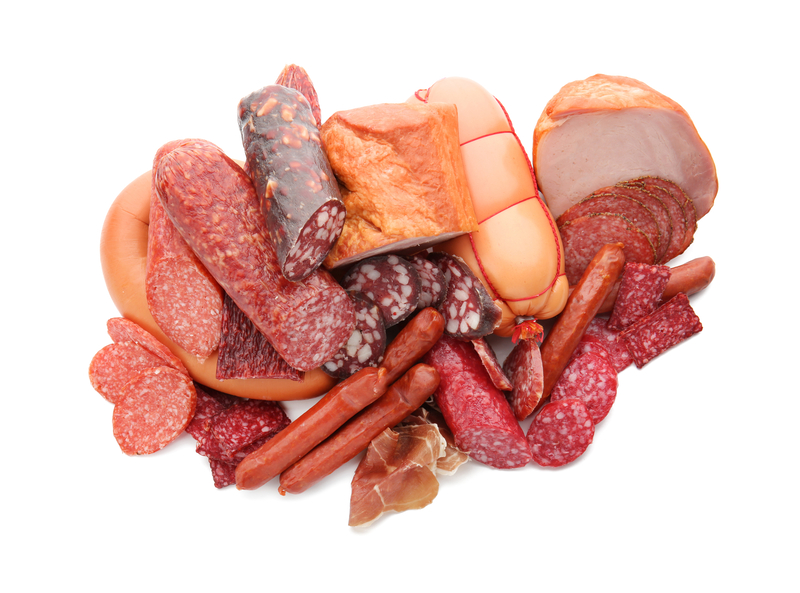
In the health world, people are frequently told to cut back on “processed meats.” But what are processed meats? They are meats that have been salted, cured, smoked, or fermented, or had preservatives such as nitrites added, to improve flavor or keep them from spoiling. That includes hot dogs, bacon, sausage, ham, bologna, salami, pepperoni, deli meats, corned beef, pastrami, and beef jerky.
The most famous here in America is the simple hot dog: scraps of pork, beef, chicken, or turkey, ground up, salted, seasoned, and stuffed into a thin casing. This is your classic American hot dog, best seen on the 4th of July.
While uniquely American, it is also uniquely unhealthy: too much salt, too much saturated fat, and too much “processing.” Any processed food has been changed from its original form. Have you ever seen anything in nature that looked like this?

The “all-American hot dog” is killing us
We grew up with a whole lot of other processed meats. Our lunch sandwiches included bologna, salami, and my parents’ favorite, Spam. These meats do not come from any one part of the animal; they come from all sorts of parts that are ground up, seasoned, and shaped for eating. Many traditional dishes are also seasoned with ham hocks, salt pork, bacon, or smoked sausage, so processed meat shows up even in our vegetables.
How are they processed?
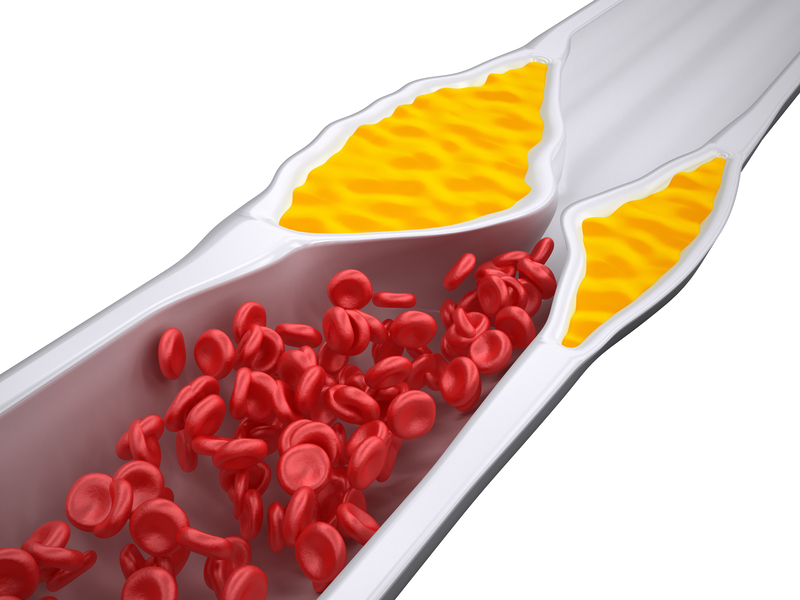
Salt and chemical preservatives such as sodium nitrite are what make processed meats last. The salt is probably the most dangerous part: one hot dog or a few slices of deli meat can carry 500 mg of sodium or more, about a fifth of the daily limit. Processed meats are also high in saturated fat, which is what turns to grease when you cook them. And when nitrites and the iron in meat break down in the body, they form compounds that can damage the cells lining the colon.
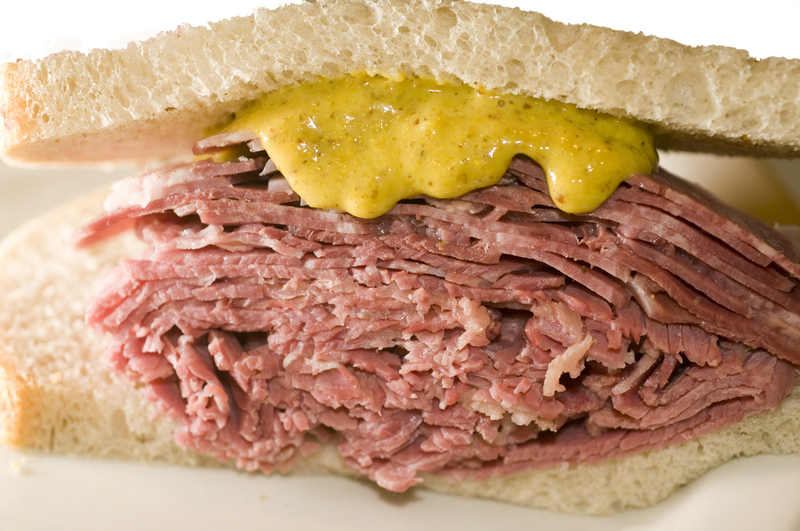
Being from Cleveland, we have the best corned beef in the country, and I love it like many others. But corned beef and pastrami are processed meats too, and they are not good for people who want to avoid heart disease, diabetes, and high blood pressure. I also love pastrami! If you’re going to treat yourself, go ahead, but don’t make it a regular habit.
Higher risk for many diseases
The World Health Organization’s cancer agency classifies processed meat as a known cause of colorectal cancer: every 50 grams eaten daily, about one hot dog or two slices of ham, raises colorectal cancer risk by about 18% (IARC). The same amount is linked to a 15% higher risk of type 2 diabetes in a study of nearly 2 million people (Lancet Diabetes & Endocrinology, 2024). Diets high in ultra-processed foods, including processed meats, are also linked to cancer and coronary artery disease (see also).
The precision medicine connection
Processed meats are bad for everyone, but precision medicine shows why they hit African Americans especially hard.
1. The Southern diet and high blood pressure
In the REGARDS study of nearly 7,000 adults, a “Southern” eating pattern, heavy in processed meats, fried foods, organ meats, added fats, and sugary drinks, was the single biggest factor explaining why Black adults develop high blood pressure more often than White adults. It accounted for about half of the excess risk in Black men and nearly a third in Black women (JAMA, 2018).
2. Salt sensitivity
Many African Americans are salt-sensitive, meaning blood pressure rises more with each gram of sodium. Processed meats are one of the biggest sources of hidden sodium in the American diet, so cutting them can lower blood pressure more for us than for many others. Season greens and beans with smoked spices, onion, garlic, and a splash of vinegar instead of ham hocks or salt pork.
3. Colon cancer risk and screening
African Americans have the highest colon cancer death rates in the U.S., and processed meat is a proven colon cancer risk. Cutting back helps, but screening matters more: colon cancer screening now starts at age 45. See my article on colon cancer in African Americans and how fiber-rich foods help protect the colon in my probiotics article.
These are the kinds of differences covered in Better Black Health, written for patients and families, and Precision Medicine for African Americans (Springer Nature), written for clinicians.
Go easy on the deli tray
So when they bring out the deli tray at your next gathering, take a little and fill up on everything else. Processed meats offer little nutrition, and eaten regularly, they raise your risk of high blood pressure, diabetes, colon cancer, and early death. Swap in fresh chicken, turkey, or fish you cook yourself, beans, and eggs for your sandwiches and meals.

Related Podcast Episode
From Down Home Cooking to Healthy Vegan
In this episode:
Have you ever considered becoming a vegetarian or vegan? Business executive Charles Johnson describes to Dr. Greg Hall his journey from Alabama cookin’ to a health-conscious life-style, and he says, “it’s not that hard.” He lost weight, feels more energetic,…