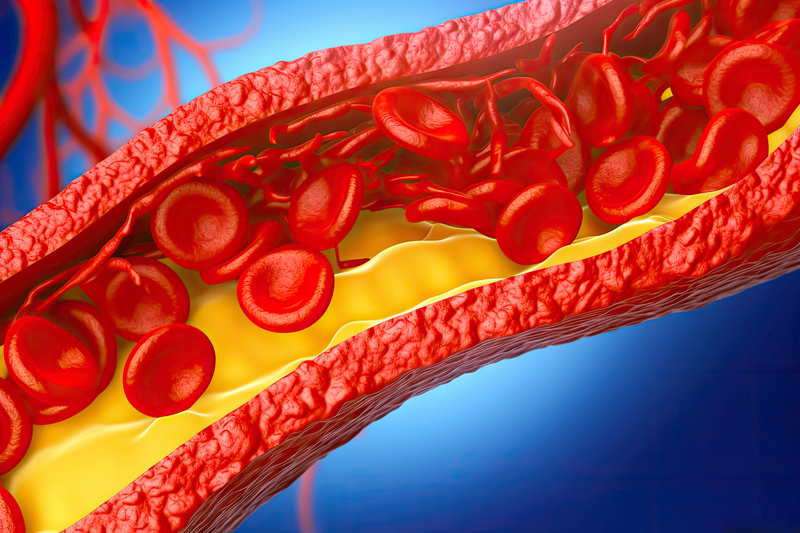

When my patients have high cholesterol levels, I frequently suggest starting a statin (a cholesterol medicine) to bring the levels down and, therefore, lower their risk for heart attack, stroke, and circulation problems. Many are scared to start the medications and they frequently report people “they know” who had bad experiences.
Statin side effects are real, but less common than people think
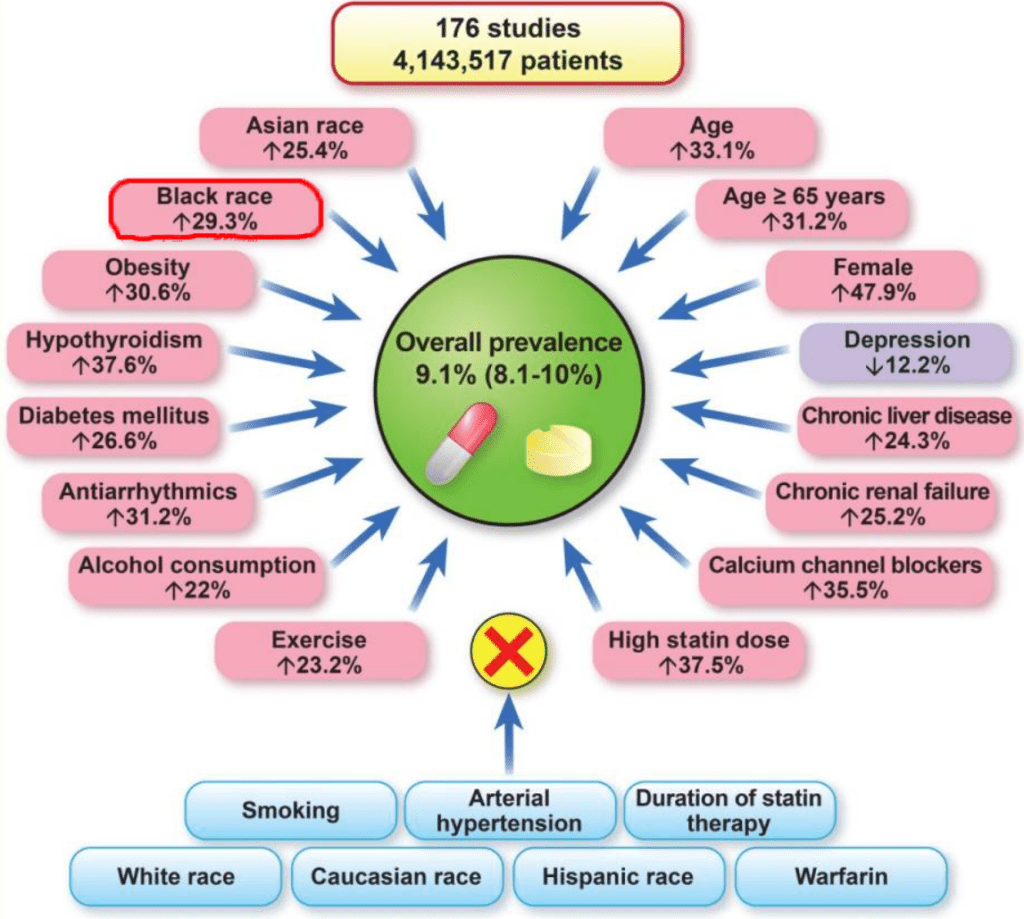
Statin intolerance (cholesterol medicine intolerance) does appear to be more common among African Americans than in some other groups, and that is part of why so many of my patients are wary. But the overall numbers are smaller than most people expect. A large analysis of 176 studies and more than 4 million patients found that about 9 percent of people taking statins are truly intolerant, and fewer than 5 percent in randomized trials.
Even more striking: when researchers pooled large trials where neither patients nor doctors knew who was getting the statin and who was getting a placebo, more than 90 percent of muscle complaints in people taking statins were not caused by the statin. So it makes sense to find out if a statin can lower your cholesterol before expecting the worst.

Who is more likely to have statin side effects
As you can see from this study by Bytyçi and colleagues, being Black raised the odds of statin intolerance by about 29 percent. But so did taking a calcium channel blocker such as amlodipine (about 36 percent), using a higher statin dose (about 38 percent), having an underactive thyroid (about 38 percent), and being female (almost 48 percent). Older age, obesity, diabetes, and kidney or liver disease also played a role. High blood pressure by itself did not.
When there are side effects, they are usually muscle aches or pain and digestive problems (constipation, diarrhea, cramping). Some people report mental fuzziness. Serious muscle injury is rare.
Unfortunately, African Americans are less likely to be prescribed statins in the first place, even though statins work well for us. In the ARIES trial of African American adults, for example, rosuvastatin lowered LDL (“bad”) cholesterol more than atorvastatin at comparable doses.
Don’t blame the statin for every ache

Do not blame the first muscle ache you have (and may have had for years) on the statin you just started. Think about your lower risk for the heart attack that runs in your family, or the stroke that killed your grandfather. Lowering your cholesterol can add years to your life. Don’t casually throw that opportunity away. If you are worried about side effects in general, read why so many African Americans fear medication side effects.
The precision medicine connection
1. The best-known “statin gene” is uncommon in people of African ancestry
The SLCO1B1 gene helps the liver take up statins. The variants that raise the risk of muscle problems with simvastatin (called *5 and *15) are found in about 1 to 2 percent of people of African ancestry, compared with about 17 percent of Europeans. So this gene does not explain why Black patients report more statin intolerance. Newer research in people of recent African ancestry has linked other SLCO1B1 variants, more common in African genomes, to statin muscle problems, and pharmacogenomic guidelines were updated as a result. If you have a gene test, ask whether it includes these variants. Rosuvastatin and pravastatin are less affected by this gene than simvastatin.
2. Your blood pressure medicine may matter
Calcium channel blockers such as amlodipine are among the most common blood pressure medicines prescribed to Black patients, and they were linked to more statin intolerance. Some combinations have firm limits: the FDA caps simvastatin at 20 mg with amlodipine and 10 mg with diltiazem or verapamil. Bring your full medicine list, including supplements, to every visit.
3. A “high” CK level may be normal for you
CK (creatine kinase) is the blood test doctors use to look for muscle damage. Black adults, especially men, tend to have higher CK levels than the standard lab range assumes. A slightly “high” CK can be mislabeled as statin damage. Ask for a baseline CK before starting, and read more about elevated CK levels in African Americans.
4. Check your thyroid and other causes first
An underactive thyroid raised the risk of statin intolerance in the Bytyçi study, and it can cause muscle aches on its own. Low thyroid, kidney problems, heavy alcohol use, and new exercise should be ruled out before a statin is blamed.
5. Know your safety limits and your options
Stop and call your doctor right away for dark (tea-colored) urine or severe muscle weakness. If you truly cannot take a statin, there are proven alternatives: ezetimibe, bempedoic acid (which reduced major heart events by 13 percent in statin-intolerant patients), and injectable PCSK9 medicines. The 2026 ACC/AHA cholesterol guideline now sets LDL goals (below 100, 70, or 55 mg/dL depending on your risk) and recommends checking lipoprotein(a) at least once in adulthood.
To learn more, read Better Black Health (for patients and families) and Precision Medicine for African Americans (for clinicians).
Use a slower and more deliberate pace
- Try a different statin: one bad experience does not mean every statin will cause problems.
- Start low: a lower dose, or a long-acting statin taken a few days a week, is often better tolerated.
- Keep a symptom diary: note when aches start and stop so you and your doctor can tell if the statin is the cause.
- Don’t stop on your own: tell your doctor about side effects so the plan can be adjusted.
Having trouble with a diabetes medicine too? Read Metformin Intolerance in African Americans: Why It Happens and What Helps.
Related Podcast Episode
29-year-old has a heart attack. Hear why it happened and how he changed his life.
In this episode:
Radio marketer Sam Prewitt talks with Dr. Hall about his heart attack and the many warning signs that he ignored before it happened. He also discusses the changes he made in his diet and cooking that have allowed him to…