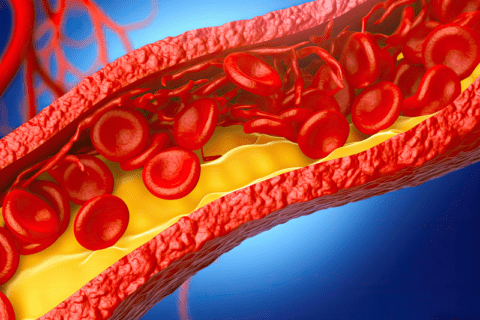


High blood pressure in African Americans
When it comes to treating high blood pressure in African Americans, there are important differences. For reasons that are not entirely clear, many African American patients respond differently than white patients depending on the blood pressure medicine used.
Studies show that African Americans do very well with thiazide diuretics (“water pills”), and they should be used often to treat high blood pressure (hypertension). In the large ALLHAT trial, Black patients who started on the ACE inhibitor lisinopril had a 40% higher risk of stroke and a 19% higher risk of combined cardiovascular disease than those who started on the thiazide-type diuretic chlorthalidone. Chlorthalidone also lowered blood pressure more in Black patients. Later analyses of ALLHAT supported these findings.
Best stroke prevention in African Americans
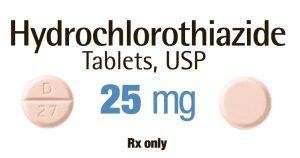
For good blood pressure control, the thiazide dose should be the equivalent of chlorthalidone 12.5 to 25 mg a day or hydrochlorothiazide 25 to 50 mg a day, because lower doses have not been found to work as well.
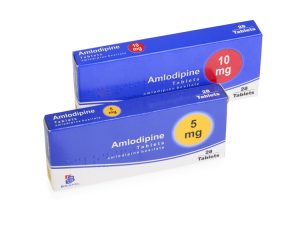
Calcium channel blockers such as amlodipine also work very well in African Americans as a first choice and are good at preventing strokes.
ACE inhibitors are not preferred
Angiotensin-converting enzyme (ACE) inhibitors and angiotensin II receptor blockers (ARBs) are less effective at lowering blood pressure in African Americans and have sometimes been linked to worse outcomes. A New York University study drew on health records of more than 434,000 patients in New York City’s public hospitals and compared Black patients who started on different blood pressure medicines:
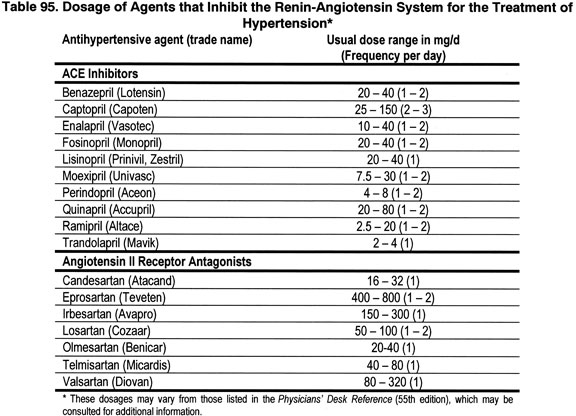
The study found that in Black patients, starting on an ACE inhibitor was linked to a 45% to 65% higher risk of death, heart attack, or stroke combined, along with more heart failure, compared with starting on a calcium channel blocker or a thiazide diuretic. Outcomes with ACE inhibitors were similar to those with beta-blockers.

ACE inhibitors are often listed as “first-line” blood pressure medicines in guidelines, but that is based mainly on how white patients respond. Based on large studies that included African Americans, along with cost and other health conditions, the UK’s National Institute for Health and Care Excellence (NICE) recommends starting Black patients of African or African-Caribbean descent on a calcium channel blocker, or a thiazide-like diuretic if a calcium channel blocker isn’t suitable. When a second medicine is needed, NICE suggests an ARB rather than an ACE inhibitor for Black patients. The 2025 US guideline from the American Heart Association and American College of Cardiology now lists the same first-choice medicines for everyone. I disagree. The outcome data in Black patients point clearly toward thiazides and calcium channel blockers first.
Even setting these risks aside, ACE inhibitors usually lower blood pressure less in African Americans than calcium channel blockers or thiazide diuretics. Researchers suspect this is related to high sodium intake in salt-sensitive patients, but others have suggested that hypertension in African Americans may just be different.
More side effects in African Americans
ACE inhibitors cause a dry cough in roughly 5% to 20% of people, and it is a common reason patients stop them. The medical literature reports this cough is more common in women and in Black patients, which suggests genes play a role. In one clinic study of patients with hard-to-control blood pressure, half of whom were Black, 61% reported a dry cough on an ACE inhibitor, and most were switched to an ARB. More importantly, African Americans are three to four times more likely to develop angioedema, a sudden and potentially dangerous swelling of the lips, tongue, or throat, while taking an ACE inhibitor. In ALLHAT, angioedema occurred in 0.72% of African Americans on lisinopril versus 0.31% of other patients, and cardiologist Keith Ferdinand, MD advises that Black patients be told about this risk along with the higher risk of cough.

With all of these issues, it’s important to remember that ACE inhibitors and ARBs are essential for protecting the kidneys in people with diabetes and certain other kidney problems. So if you don’t know why you’re on an ACE inhibitor or ARB, call your physician and ask. In the AASK trial of African Americans with kidney disease caused by high blood pressure, the ACE inhibitor ramipril slowed kidney decline better than amlodipine or a beta-blocker. These medicines should still be used for kidney protection in African American patients with diabetes and similar conditions.
Please don’t stop your medicines based on this article. Check with your provider for advice that fits your particular situation. Use this article as a starting point for that conversation. Some providers are aware of these differences, and others may not be.
The precision medicine connection
Researchers are increasingly told not to use race in clinical decisions. That’s why you will keep seeing conflicting outcomes and clinical claims about Black patients. I take a different view. Ancestry carries real biological signals, and ignoring them leaves African Americans on medicines that work less well for them. Precision medicine names the specific factors behind those differences. Here is what matters most for African Americans.
1. Salt sensitivity and low-renin hypertension
Many African Americans have “low-renin,” salt-sensitive high blood pressure, where the body holds on to salt and water. Genes may help explain why. Researchers point to the T594M variant of the kidney’s epithelial sodium channel, found in people of African origin but rarely in white people, and the C825T variant of the GNB3 gene, which is far more common in people of African ancestry and has been linked to a better response to thiazide diuretics. This helps explain why thiazides and calcium channel blockers work well and ACE inhibitors work less well on their own. It also means cutting salt and eating more potassium-rich foods can lower your numbers. Your own response still guides the final choice, but your ancestry is the right place to start.
2. APOL1 and your kidneys
About 13% of African Americans carry two copies of high-risk variants in the APOL1 gene, which raise the risk of kidney failure. Much of what was once called “hypertensive” kidney disease in Black patients is now linked to these variants. If you have high blood pressure and protein in your urine, or a family history of kidney failure, ask about APOL1 testing and close kidney monitoring.
3. Your kidney numbers no longer use race
Kidney function (eGFR) used to be calculated with a race “correction” that made Black patients’ kidneys look healthier than they were. The race-free 2021 equation is now standard. Your numbers may look different from the past, which can change when an ACE inhibitor or ARB is started and how other medicines are dosed.
4. Know the safety limits
Thiazides can lower potassium and magnesium and raise blood sugar and uric acid (gout), so get blood work after starting or changing the dose. If you’ve ever had lip, tongue, or throat swelling on an ACE inhibitor, never take one again, and tell every doctor. Most African Americans need two medicines to reach a goal under 130/80, and a single pill that combines two medicines makes that easier.
To learn more, patients and families can read Better Black Health, and clinicians can see Precision Medicine for African Americans.
African Americans, vitamins & heart health
African Americans also tend to get too little potassium and magnesium, which can affect heart health. Low vitamin D and vitamin C levels have also been linked to heart problems. Consider Sequence Multivitamins for African Americans as a multivitamin designed to help fill these gaps.
Watch: Check Your Blood Pressure at Home & Know What It Should Be