

What is G6PD deficiency?
A patient came in recently and told me he had G6PD deficiency and wondered what adjustments he needed to make in his life. I had learned about it in medical school but had long since forgotten the details. I knew there were some things he should avoid, but honestly, I needed to do a little research.
G6PD deficiency is an inherited condition that affects about 1 in 10 African American men in the United States, along with a smaller share of Black women. That is not rare. It is common but usually silent, so most people who have it do not know it, which is likely why I had not seen it written in a patient’s chart. It is also common in people with roots in Africa, Asia, the Middle East, and the Mediterranean, mainly in regions where malaria has been widespread (NIH overview). In African Americans, the condition is usually mild. Other conditions, like kidney disease, are also tied to African ancestry.
G6PD is an enzyme that protects red blood cells
G6PD stands for glucose-6-phosphate dehydrogenase. This enzyme protects red blood cells from damage by oxidizing chemicals. Without enough of it, certain infections, medicines, or foods can cause red blood cells to break apart (hemolysis), leading to fatigue, a racing heart, yellowing of the skin or eyes, and dark urine. The common African variant, called G6PD A−, makes an enzyme that wears out as red blood cells age, so mainly older cells are affected and episodes usually stop on their own. The Mediterranean variant lowers the enzyme in cells of all ages and causes more severe reactions.
Aspirin and fava beans: what to avoid
My patient had been told to “avoid aspirin and fava beans.” Good news on aspirin: the international pharmacogenetics guideline (CPIC) rates aspirin at normal doses (up to 1 gram a day, which includes low-dose “baby” aspirin) as low or no risk in G6PD deficiency (CPIC, 2022). If your doctor recommends aspirin for your heart, do not stop it without asking. My patient also had no idea what a fava bean was, and I explained it was not something we ate much growing up in my Black family or community.
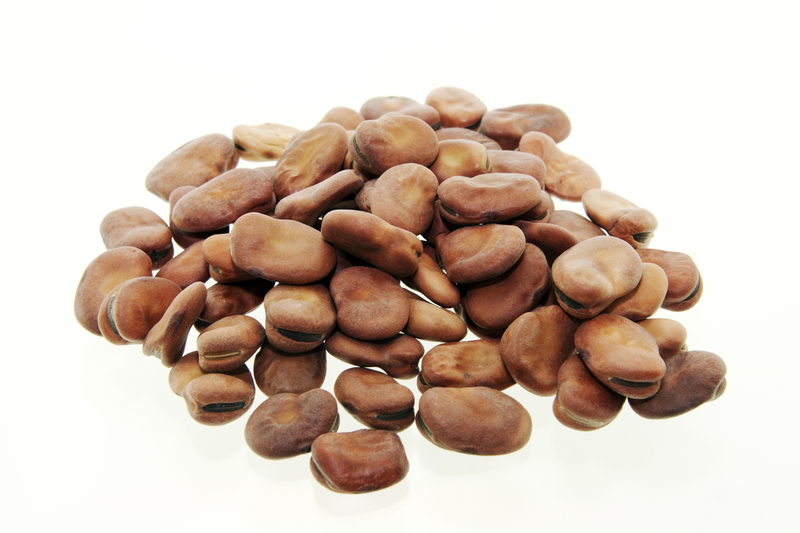
What are fava beans?
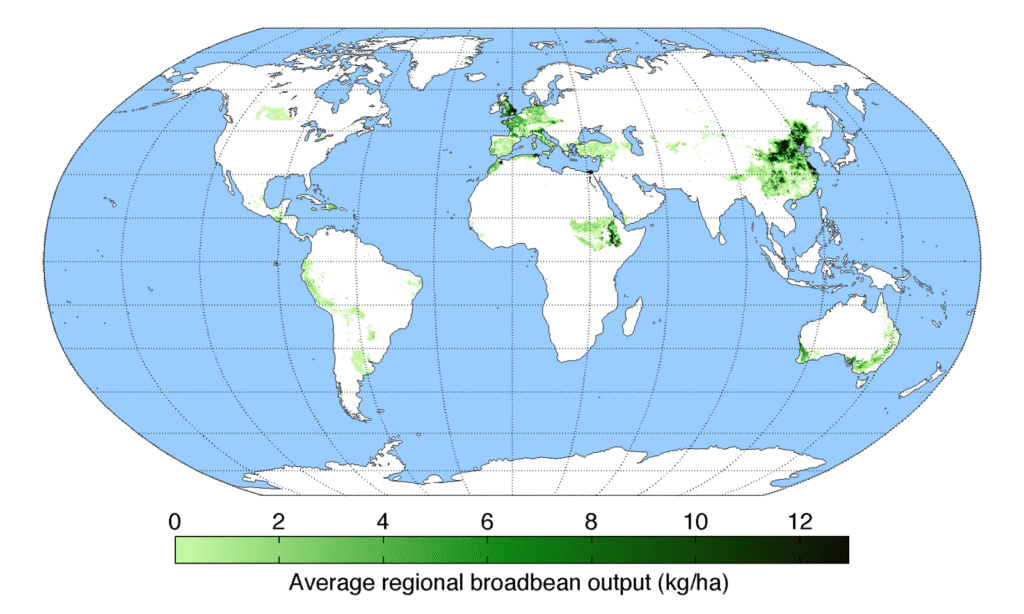
Fava beans, also called broad beans or faba beans, are larger than lima beans and are common in Mediterranean, Middle Eastern, North African, East Asian, and Latin American dishes. Eating them can trigger hemolysis in some people with G6PD deficiency, a reaction called favism. It is most severe with the Mediterranean variant, but people with any form should still avoid them. As the map below shows, fava beans are grown mainly outside the United States.
Why is it more common in Black people?
If you wondered why G6PD deficiency is common in people of African descent, scientists discovered that the gene variant that causes it also protects against severe malaria. Over thousands of years in malaria-heavy regions, people who carried it were more likely to survive, so it became common, much like sickle cell trait.
Traveling to Africa? Read this!

Two malaria medicines, primaquine and tafenoquine, can cause dangerous hemolysis in people with G6PD deficiency and require a G6PD test before they are prescribed. Other malaria prevention medicines are usually safe. Carrying the gene may offer some protection against severe malaria, but it does not prevent infection, so see a travel clinic BEFORE you go, tell them about your G6PD status, and take the preventive medicine they recommend.
The precision medicine connection
G6PD deficiency is a textbook example of precision medicine: one gene, common in people of African ancestry, changes which medicines are safe and how your lab tests should be read.
1. Know your status before certain medicines
According to CPIC, people with G6PD deficiency should avoid rasburicase and pegloticase (gout and cancer-related uric acid drugs), dapsone, methylene blue, primaquine, and tafenoquine. High-dose IV vitamin C, sold at some wellness clinics, can also trigger hemolysis. Infections are the most common trigger of all. A simple blood test can tell you your status, and it belongs in your medical record.
2. Your A1c may read falsely low
The G6PD variant shortens the life of red blood cells, so the A1c test, which measures sugar stuck to red blood cells over about three months, reads lower than it should. About 11% of African Americans carry this variant, and researchers estimated that about 650,000 African Americans could have undiagnosed diabetes if tested by A1c alone (PLOS Medicine, 2017). A 2024 study found the variant also contributes to diabetic eye and nerve complications in people of African ancestry because A1c understated their blood sugar (Nature Medicine, 2024). If you have G6PD deficiency, ask that your diabetes screening and control also use fasting glucose, a glucose tolerance test, or a continuous glucose monitor.
3. Women and timing of the test matter
G6PD is on the X chromosome, so men are affected most often, but women who carry one copy can still have low enzyme levels and reactions. And testing right after a hemolysis episode can give a falsely normal result, because the young red blood cells that replace the damaged ones have more enzyme. If your result is borderline or was taken during or after an episode, ask to repeat it about three months later. G6PD deficiency also affects other lab tests, including the standard riboflavin (vitamin B2) test.
These are the kinds of differences covered in Better Black Health, written for patients and families, and Precision Medicine for African Americans (Springer Nature), written for clinicians.
Talk with your doctor
If you think you have G6PD deficiency, confirm it with your primary care doctor and keep a list of medicines and foods to avoid. Watch for signs of hemolysis, such as dark urine, yellow eyes, or sudden fatigue, especially during an infection, and seek care right away if they appear.

Related Podcast Episode
Blacks & Blood Clots: One of the reasons why heart attacks and strokes are killing us.
In this episode:
Dr. Greg Hall discusses why African Americans have the highest risk for heart attacks and strokes as well as things you can do to avoid them. High blood pressure is the biggest cause but Blacks also have a tendency to…